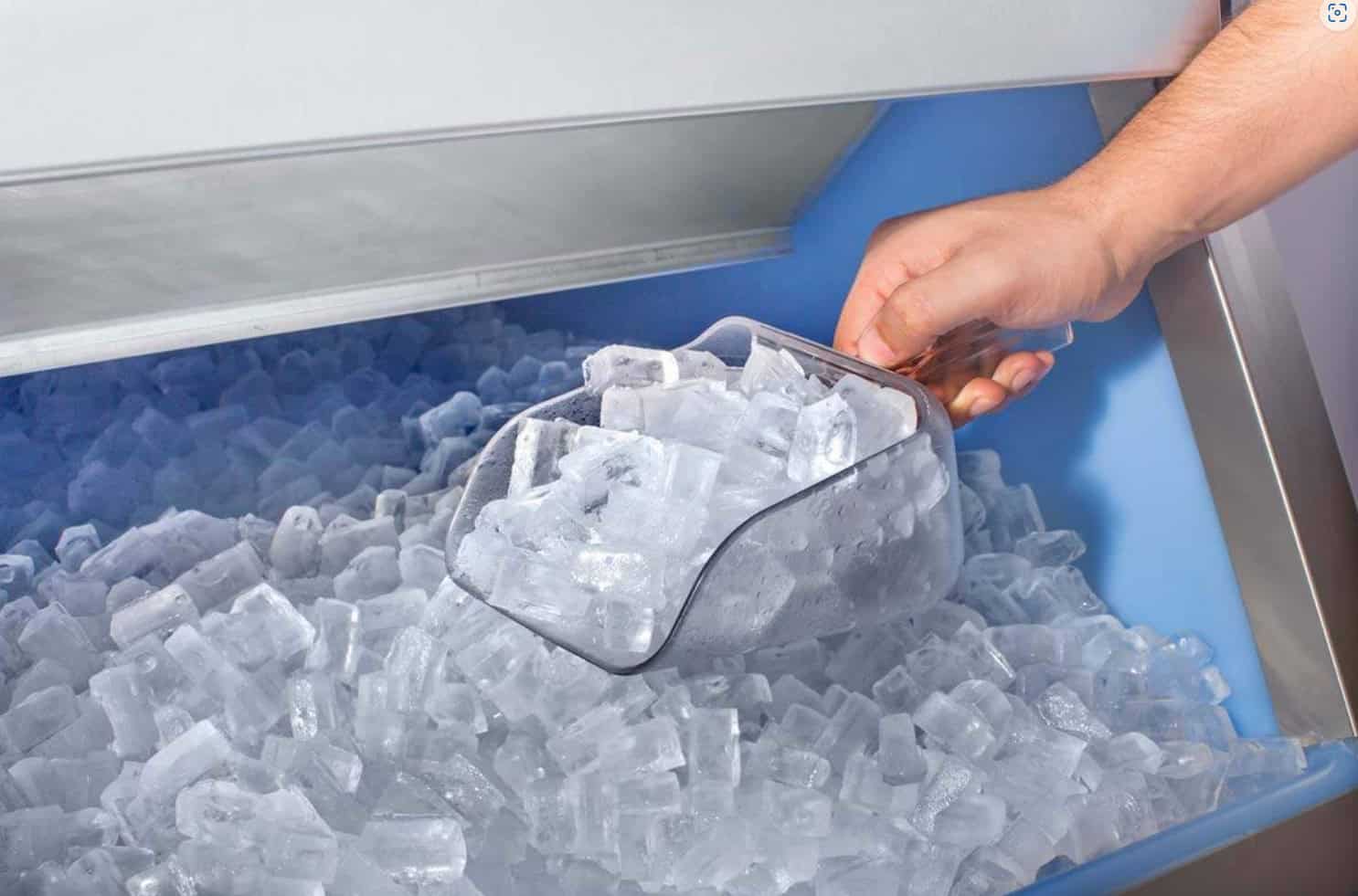
Different Types of Commercial Ice Machines and How Preventative Maintenance Saves Money
Ice is an essential commodity in countless commercial environments. From restaurants and hotels to healthcare facilities and office buildings, commercial ice machines play a critical role in daily operations. When an ice machine fails, businesses can experience disruptions that affect customer satisfaction, food safety, employee productivity, and even revenue.
For property owners and facility managers, understanding the different types of commercial ice machines and the importance of routine maintenance can help prevent costly breakdowns and extend equipment lifespan. While ice machines are designed for continuous operation, they require regular care and professional inspections to perform efficiently and meet health and safety standards.
In this guide, we’ll explore the most common types of commercial ice machines, their applications, and why scheduled maintenance from HVAC professionals is essential for protecting your investment.
The Role of Commercial Ice Machines
Commercial ice machines are designed to produce large quantities of ice consistently throughout the day. Unlike residential units, these systems are engineered to handle higher demand and operate under more demanding conditions.
Businesses rely on commercial ice machines for a variety of purposes, including:
- Food and beverage service
- Hospitality operations
- Healthcare and patient care
- Food preservation and storage
- Event venues and entertainment facilities
- Corporate break rooms and cafeterias
- Grocery and convenience stores
Selecting the right machine depends on the facility’s daily ice production requirements, available space, and intended application.
Types of Commercial Ice Machines
Not all ice machines are the same. Different industries require different forms of ice, and manufacturers have developed specialized systems to meet those needs.
1. Modular Ice Machines
Modular ice machines are among the most common systems found in commercial environments. These units are designed to sit on top of a storage bin or dispenser and can produce large volumes of ice daily.
Key Features:
- High production capacity
- Separate storage bin
- Suitable for high-demand operations
- Available in multiple ice styles
Common Applications:
- Restaurants
- Hotels
- Hospitals
- Cafeterias
- Large event venues
Because modular units often operate around the clock, routine inspections are essential to ensure optimal performance and efficiency.
2. Self-Contained Ice Machines
Self-contained machines combine the ice-making system and storage bin into a single compact unit. These systems are ideal for businesses with limited space or moderate ice demands.
Key Features:
- Space-saving design
- Easier installation
- Lower production capacity than modular units
- Available in undercounter and countertop models
Common Applications:
- Small restaurants
- Coffee shops
- Bars
- Convenience stores
- Office break rooms
While these units are generally easier to maintain, neglecting routine cleaning can lead to mineral buildup, reduced production, and sanitation concerns.
3. Ice Dispensers
Ice dispensers store and dispense ice directly into cups or containers. These systems are designed to reduce contamination by limiting direct contact with the ice.
Key Features:
- Improved sanitation
- Convenient dispensing
- Available with water dispensing capabilities
- Suitable for self-service environments
Common Applications:
- Healthcare facilities
- Hotels
- Corporate offices
- Schools
- Cafeterias
Because users interact with the dispensing mechanism frequently, regular cleaning and professional inspections are critical for maintaining hygiene standards.
4. Cube Ice Machines
Cube ice is the most recognizable and widely used ice type in commercial settings. Cube ice machines produce clear, hard ice cubes that melt slowly and provide excellent beverage presentation.
Types of Cube Ice:
- Full-cube ice
- Half-cube ice
Benefits:
- Slow melting rate
- Attractive appearance
- Ideal for beverages
- Excellent cooling performance
Common Applications:
- Restaurants
- Bars
- Hotels
- Fast-food establishments
The consistent quality of cube ice depends heavily on water quality, filtration systems, and proper equipment maintenance.
5. Nugget Ice Machines
Nugget ice, often referred to as “chewable ice” or “pellet ice,” has become increasingly popular due to its soft texture and customer appeal.
Benefits:
- Easy to chew
- Rapid beverage cooling
- High customer satisfaction
- Popular in healthcare settings
Common Applications:
- Convenience stores
- Quick-service restaurants
- Healthcare facilities
- Corporate offices
Nugget ice machines contain specialized components that require regular servicing to prevent wear and maintain production efficiency.
6. Flake Ice Machines
Flake ice consists of small, soft pieces of ice that conform easily to products and surfaces. This makes it ideal for preserving perishable items.
Benefits:
- Excellent cooling coverage
- Easy product display
- Rapid temperature reduction
- Minimal product damage
Common Applications:
- Seafood markets
- Grocery stores
- Food processing facilities
- Medical laboratories
Flake ice machines often operate in demanding environments where moisture and debris can accelerate wear if maintenance is neglected.
7. Gourmet Ice Machines
Gourmet ice machines produce large, crystal-clear ice cubes that are often used in upscale dining and hospitality settings.
Benefits:
- Premium appearance
- Slow melting
- Enhanced drink presentation
- High-end customer experience
Common Applications:
- Luxury hotels
- Fine dining restaurants
- Cocktail bars
- Event venues
Because appearance is a primary selling point, these machines require meticulous maintenance and water filtration management.
Common Problems Affecting Commercial Ice Machines
Despite their durability, commercial ice machines are susceptible to a variety of operational issues.
Some of the most common problems include:
Scale and Mineral Buildup
Water naturally contains minerals that accumulate inside the machine over time. Scale buildup can reduce efficiency, restrict water flow, and damage internal components.
Dirty Condenser Coils
Air-cooled ice machines rely on clean condenser coils to dissipate heat effectively. Dust and debris accumulation can force the system to work harder, increasing energy consumption and reducing ice production.
Clogged Water Filters
Water filtration systems protect the machine from contaminants and improve ice quality. When filters become clogged, production rates may decline and equipment stress can increase.
Mechanical Wear
Components such as pumps, motors, fans, and valves experience wear over time. Without routine inspections, minor issues can develop into major equipment failures.
Mold and Bacterial Growth
Ice machines operate in moist environments that can encourage biological growth if cleaning procedures are neglected. This poses serious health and safety risks.
Refrigeration System Issues
Ice machines depend on refrigeration components similar to those found in HVAC systems. Problems involving refrigerant levels, compressors, or evaporators can significantly impact performance.
Why Regular Maintenance Matters
Many property owners view ice machines as simple appliances that can be ignored until they stop working. In reality, preventative maintenance is one of the most effective ways to reduce operating costs and avoid unexpected disruptions.
Improved Equipment Reliability
Routine maintenance helps identify potential issues before they cause system failures. HVAC professionals can detect worn components, leaks, and performance concerns during scheduled inspections.
This proactive approach reduces the likelihood of emergency repairs and operational downtime.
Enhanced Energy Efficiency
A poorly maintained ice machine often consumes more energy than necessary. Dirty coils, restricted airflow, and mechanical inefficiencies force the system to work harder to produce the same amount of ice.
Regular servicing helps maintain peak operating efficiency, reducing utility expenses over time.
Better Ice Quality
Customers and employees expect clean, clear, and safe ice. Routine cleaning and sanitization remove contaminants, mineral deposits, and biological growth that can compromise ice quality.
Professional maintenance also ensures filtration systems are functioning correctly.
Extended Equipment Lifespan
Commercial ice machines represent a significant capital investment. Regular maintenance helps protect that investment by reducing wear and extending the service life of critical components.
Many manufacturers also require documented maintenance to preserve warranty coverage.
Reduced Risk of Costly Repairs
Minor issues are typically far less expensive to address than major equipment failures. Scheduled inspections allow technicians to identify developing problems before they escalate into costly repairs or complete system replacement.
Compliance with Health Standards
Businesses in the food service, healthcare, and hospitality industries must meet strict sanitation requirements. Regular cleaning and professional inspections help maintain compliance with applicable health regulations.
The Value of HVAC Professionals in Ice Machine Maintenance
Although some basic cleaning tasks can be performed by facility staff, comprehensive maintenance should be handled by qualified HVAC professionals.
Commercial ice machines contain refrigeration systems, electrical components, water connections, and mechanical assemblies that require specialized knowledge and tools.
Professional technicians can:
- Inspect refrigeration systems
- Check refrigerant levels
- Test electrical components
- Clean condenser and evaporator assemblies
- Evaluate water quality and filtration systems
- Calibrate controls and sensors
- Verify proper operating temperatures
- Identify emerging mechanical issues
Because many commercial ice machines share components and operating principles with HVAC equipment, HVAC professionals are uniquely qualified to diagnose and maintain these systems.
Establishing a Preventative Maintenance Schedule
The ideal maintenance frequency depends on factors such as machine type, production volume, water quality, and operating environment.
In general, property owners should consider:
Monthly Tasks
- Visual inspections
- Exterior cleaning
- Air filter checks
- Monitoring ice quality
Quarterly Tasks
- Water filter replacement
- Condenser cleaning
- Operational performance review
Semi-Annual Tasks
- Deep cleaning and sanitization
- Comprehensive system inspection
- Mechanical component evaluation
Annual Professional Service
- Full preventative maintenance inspection
- Refrigeration system testing
- Performance optimization
- Documentation and compliance review
Facilities with high ice demand or challenging water conditions may require more frequent service intervals.
Final Thoughts
Commercial ice machines are essential assets in a wide range of industries, from hospitality and healthcare to food service and office environments. Whether a facility relies on modular units, self-contained systems, nugget ice machines, or gourmet ice production, dependable performance requires more than simply turning the machine on and expecting it to work indefinitely.
Regular maintenance and scheduled inspections are crucial for ensuring reliability, energy efficiency, sanitation, and long-term equipment performance. By partnering with qualified HVAC professionals, property owners can identify potential problems early, minimize costly downtime, and extend the life of their investment.
A proactive maintenance strategy not only protects equipment but also supports business operations, customer satisfaction, and regulatory compliance. For commercial property owners, investing in routine ice machine service is a smart decision that delivers measurable returns year after year.
Ready to get your ice machines installed or running smoothly? Contact NRI today!
About Nationwide Refrigeration, Inc.
Nationwide Refrigeration, Inc. (NRI) is an employee-owned company providing expert commercial refrigeration, HVAC and ice machine services across Washington, D.C., Maryland and Virginia since 1974. Known for its commitment to doing the job right the first time and the right thing every time, NRI offers emergency service from EPA-certified technicians and supports over 160 equipment brands. In 2020, NRI became fully employee-owned, reinforcing its dedication to quality, integrity and long-term customer relationships. The company’s strong, people-first culture continues to drive its reputation for reliability and resilience. For more information, please visit nriusa.com.