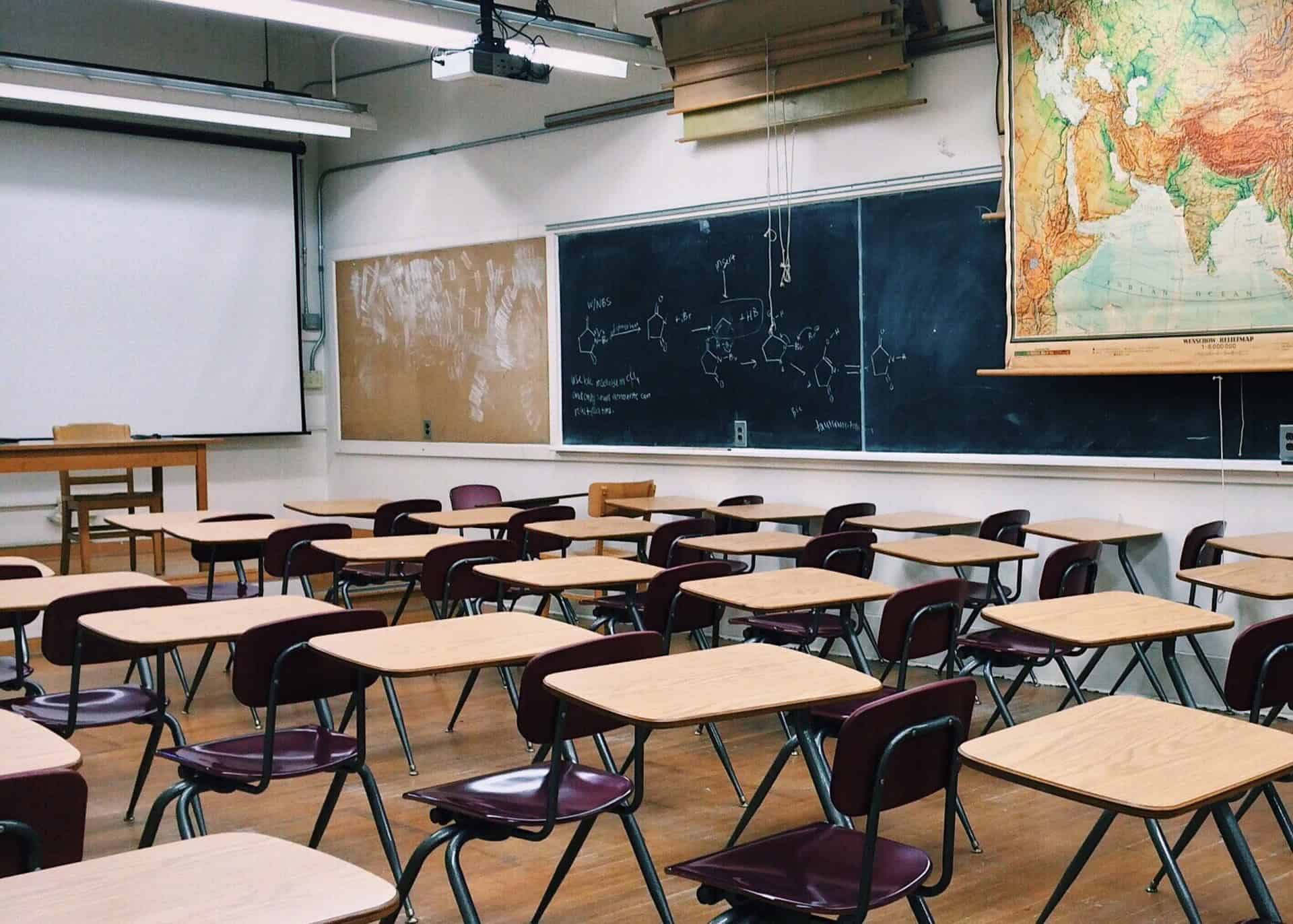
The Importance of HVAC Systems in Schools: Creating Safer, Healthier and More Effective Learning Environments
When people think about what makes a successful school, they often focus on teachers, curriculum, technology, athletics, or extracurricular programs. While these are all critical components of a strong educational experience, one often-overlooked factor has a major impact on student success and staff performance: the HVAC system.
Heating, ventilation, and air conditioning (HVAC) systems are essential to the daily operation of modern schools. These systems do far more than simply keep classrooms warm in the winter and cool in the summer. A properly designed and maintained HVAC system directly affects indoor air quality, student concentration, teacher productivity, energy efficiency, safety, and even long-term operational costs.
As schools continue to prioritize student wellness, sustainability, and high-performance learning environments, HVAC systems have become one of the most important investments educational institutions can make.
Why HVAC Systems Matter in Educational Facilities
Students and teachers spend approximately six to eight hours a day inside school buildings. During that time, they rely on indoor environments that are safe, comfortable, and conducive to learning. Poor air circulation, inconsistent temperatures, excessive humidity, and inadequate ventilation can negatively affect both physical health and academic performance.
HVAC systems play a critical role in maintaining indoor comfort and regulating environmental conditions throughout classrooms, cafeterias, gyms, libraries, auditoriums, and administrative offices.
A high-performing HVAC system helps schools:
- Maintain comfortable temperatures year-round
- Improve indoor air quality
- Reduce airborne contaminants and allergens
- Control humidity levels
- Support student focus and productivity
- Lower energy consumption and utility costs
- Create safer environments for students and staff
- Extend the lifespan of school buildings and infrastructure
Without proper HVAC performance, schools can quickly experience discomfort, maintenance issues, increased absenteeism, and higher operating expenses.
Indoor Air Quality and Student Health
One of the most important functions of an HVAC system in schools is improving indoor air quality (IAQ). Clean air is essential in environments where hundreds or even thousands of students and staff gather every day.
Poor indoor air quality can contribute to a wide range of health concerns, including:
- Allergies
- Asthma flare-ups
- Respiratory infections
- Headaches
- Fatigue
- Eye and throat irritation
- Difficulty concentrating
Children are especially vulnerable to poor air quality because their lungs and immune systems are still developing. In schools with outdated ventilation systems or insufficient air circulation, airborne pollutants can accumulate quickly.
Common indoor contaminants found in schools include:
- Dust and dirt particles
- Mold spores
- Pollen
- Cleaning chemicals
- Carbon dioxide buildup
- Viruses and bacteria
- Volatile organic compounds (VOCs)
Modern HVAC systems help combat these issues through proper filtration, ventilation, and airflow management. High-efficiency filters can capture airborne particles before they circulate throughout classrooms, while ventilation systems introduce fresh outdoor air to dilute indoor contaminants.
In recent years, concerns surrounding airborne illnesses have increased awareness of the importance of ventilation in public spaces. Schools that invest in upgraded HVAC systems are better equipped to create healthier indoor environments that support student wellness and reduce the spread of airborne illnesses.
The Connection Between Classroom Comfort and Academic Performance
Temperature and comfort levels have a direct impact on concentration, behavior, and learning outcomes.
Research has consistently shown that students perform better in environments where temperatures are properly regulated. Classrooms that are too hot can lead to drowsiness, frustration, and reduced attention spans, while classrooms that are too cold may cause discomfort and distraction.
Teachers are also affected by indoor climate conditions. Educators working in uncomfortable environments may experience fatigue, reduced productivity, and increased stress levels.
An efficient HVAC system helps maintain consistent indoor temperatures throughout the school day, creating a more stable and productive learning environment.
Benefits of proper climate control in schools include:
- Improved student focus and engagement
- Better test performance
- Reduced classroom disruptions
- Increased teacher productivity
- Greater overall comfort for staff and students
Schools that prioritize indoor comfort create environments where students can focus on learning instead of being distracted by uncomfortable temperatures or poor ventilation.
HVAC Systems and Humidity Control
Humidity control is another essential aspect of HVAC performance in educational facilities.
Excess humidity can create serious problems within school buildings, including mold growth, mildew, odors, and damage to building materials. High humidity can also make indoor spaces feel warmer and more uncomfortable.
On the other hand, air that is too dry can contribute to respiratory irritation, dry skin, and increased susceptibility to illness.
Modern HVAC systems help maintain balanced humidity levels that improve comfort while protecting the integrity of school facilities.
Proper humidity management helps:
- Prevent mold and mildew growth
- Protect books, electronics, and classroom equipment
- Reduce musty odors
- Improve indoor comfort
- Support healthier breathing conditions
Maintaining ideal humidity levels is especially important in regions with high seasonal moisture or extreme weather conditions.
Energy Efficiency and Cost Savings for Schools
School districts are often challenged by tight operating budgets and rising utility costs. Heating and cooling large educational facilities can consume significant amounts of energy, making HVAC systems one of the largest operational expenses for schools.
Outdated or inefficient HVAC equipment can dramatically increase utility bills while delivering inconsistent performance.
Modern energy-efficient HVAC systems offer schools the opportunity to reduce operating costs while improving overall building performance.
Energy-efficient HVAC upgrades may include:
- High-efficiency rooftop units
- Variable refrigerant flow (VRF) systems
- Smart thermostats and building automation systems
- Energy recovery ventilators
- Zoned temperature controls
- Improved insulation and ductwork
- Programmable scheduling systems
These technologies allow schools to better regulate energy usage based on occupancy schedules, weather conditions, and building demands.
Reducing energy consumption not only lowers utility expenses but also supports sustainability initiatives and environmental responsibility.
Many schools are now pursuing green building certifications and energy efficiency programs to reduce their environmental footprint while improving operational efficiency.
The Importance of Preventative HVAC Maintenance
Even the best HVAC systems require regular maintenance to operate effectively.
Preventative maintenance is essential for ensuring consistent performance, minimizing equipment failures, and extending system lifespan. Without proper maintenance, schools may experience unexpected breakdowns that disrupt classroom instruction and create uncomfortable conditions for students and staff.
Routine HVAC maintenance for schools typically includes:
- Replacing air filters
- Inspecting and cleaning coils
- Checking refrigerant levels
- Testing thermostats and controls
- Cleaning ductwork and ventilation components
- Inspecting motors and electrical connections
- Monitoring airflow and system efficiency
Preventative maintenance programs help schools identify potential issues before they become costly emergencies.
Regular service also improves indoor air quality and ensures HVAC systems continue operating at peak efficiency.
For school administrators, proactive maintenance planning can reduce long-term repair costs and minimize disruptions during the academic year.
HVAC Systems and School Safety
HVAC systems also contribute to overall school safety.
Proper ventilation and filtration can help reduce the spread of airborne contaminants, which is particularly important in densely populated school environments.
In science labs, cafeterias, gymnasiums, and vocational training facilities, specialized ventilation systems may be necessary to remove fumes, chemicals, or excess heat.
Additionally, HVAC systems play an important role in smoke control and emergency response planning. Integrated building systems can help manage airflow during emergencies and improve occupant safety.
Schools that prioritize HVAC modernization are often better prepared to handle a wide range of environmental and operational challenges.
Technology and Smart HVAC Solutions in Modern Schools
Today’s schools are increasingly adopting smart building technologies to improve HVAC management and operational efficiency.
Advanced HVAC control systems allow facility managers to monitor performance in real time, identify maintenance needs, and optimize energy usage across multiple buildings.
Smart HVAC technologies may include:
- Remote monitoring systems
- Automated temperature adjustments
- Occupancy sensors
- Indoor air quality monitoring
- Cloud-based building management systems
- Predictive maintenance analytics
These tools help schools make data-driven decisions that improve comfort, efficiency, and long-term cost control.
For example, occupancy sensors can reduce energy waste by adjusting temperatures in unoccupied classrooms, while air quality monitoring systems can alert administrators to ventilation issues before they affect occupants.
Technology-driven HVAC solutions are becoming increasingly valuable as schools seek to balance operational costs with health and performance goals.
The Impact of Aging Infrastructure in Schools
Many schools across the country continue to operate with aging HVAC infrastructure that no longer meets modern standards.
Older systems may struggle to maintain consistent temperatures, provide adequate ventilation, or operate efficiently. In some cases, aging equipment can contribute to indoor air quality problems and increased maintenance costs.
Deferred maintenance is a common challenge for school districts facing limited budgets. Unfortunately, postponing HVAC upgrades often leads to higher repair expenses, increased energy consumption, and reduced system reliability over time.
Investing in HVAC modernization can help schools:
- Improve student and staff comfort
- Reduce emergency repair costs
- Enhance indoor air quality
- Increase energy efficiency
- Support long-term facility planning
- Improve overall building reliability
Many schools are now leveraging grants, government funding programs, and energy incentives to support HVAC improvements and infrastructure upgrades.
Sustainability and Environmental Responsibility
Sustainability has become a growing priority for educational institutions.
Schools are increasingly expected to reduce energy usage, lower carbon emissions, and demonstrate environmental leadership within their communities.
Efficient HVAC systems support these goals by reducing energy waste and improving overall building performance.
Green HVAC initiatives may include:
- High-efficiency equipment installations
- Renewable energy integration
- Energy monitoring systems
- Eco-friendly refrigerants
- Improved building insulation
- Demand-controlled ventilation
Sustainable HVAC practices not only benefit the environment but also create valuable educational opportunities for students.
Schools can use sustainability initiatives as teaching tools to promote environmental awareness and demonstrate real-world applications of energy conservation.
Choosing the Right HVAC Partner for Schools
Because educational facilities have unique operational requirements, choosing the right HVAC contractor or service provider is essential.
Schools require HVAC partners with experience in:
- Large-scale commercial HVAC systems
- Indoor air quality management
- Preventative maintenance programs
- Energy-efficient system design
- Building automation technologies
- Emergency service support
- Compliance with local regulations and safety standards
Reliable HVAC providers understand the importance of minimizing disruptions during school hours and maintaining safe, comfortable environments for students and staff.
When evaluating HVAC partners, schools should consider:
- Industry certifications and licensing
- Experience with educational facilities
- Response times and service capabilities
- Maintenance program offerings
- Energy efficiency expertise
- Long-term support and planning
A strong HVAC partnership can help schools maintain reliable performance while planning for future growth and infrastructure improvements.
Final Thoughts
HVAC systems are one of the most important yet underappreciated components of a successful school environment.
From improving indoor air quality and supporting student health to enhancing comfort, reducing energy costs and promoting sustainability, HVAC systems directly impact nearly every aspect of school operations.
As educational institutions continue to focus on student wellness, academic performance and operational efficiency, investing in modern HVAC infrastructure has become more important than ever.
Schools that prioritize reliable heating, cooling, and ventilation systems create healthier, safer and more productive learning environments for everyone who walks through their doors.
In the long run, a well-maintained and energy-efficient HVAC system is not just a facility upgrade — it is an investment in the success, health, and future of students, teachers, and entire school communities.
When you are ready to provide your students with everything they need to succeed, contact NRI today!
About Nationwide Refrigeration, Inc.
Nationwide Refrigeration, Inc. (NRI) is an employee-owned company providing expert commercial refrigeration, HVAC and ice machine services across Washington, D.C., Maryland and Virginia since 1974. Known for its commitment to doing the job right the first time and the right thing every time, NRI offers emergency service from EPA-certified technicians and supports over 160 equipment brands. In 2020, NRI became fully employee-owned, reinforcing its dedication to quality, integrity and long-term customer relationships. The company’s strong, people-first culture continues to drive its reputation for reliability and resilience. For more information, please visit nriusa.com.