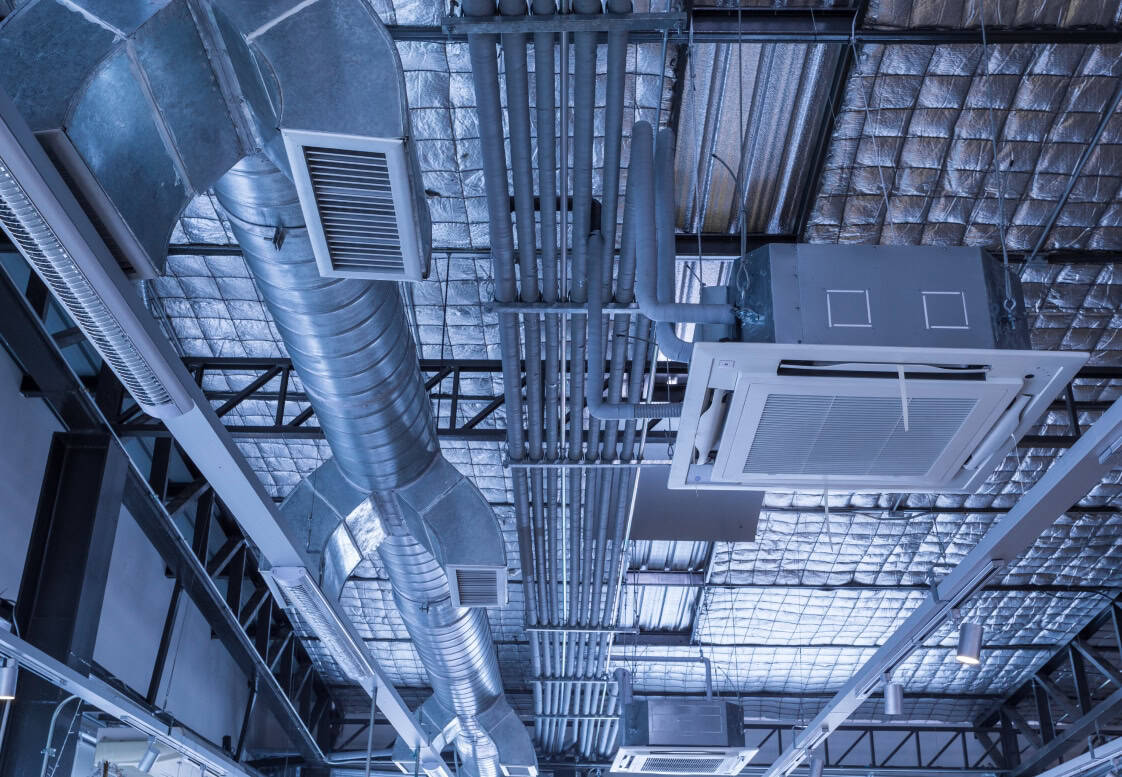
How HVAC Systems Are Modernizing (and What It Means for Commercial HVAC Services)
The HVAC industry is undergoing one of the most significant transformations in its history. Once considered a behind-the-scenes utility, something that simply heated and cooled buildings, HVAC systems are now intelligent, data-driven and central to how commercial buildings operate. From AI-powered diagnostics to electrification and sustainability mandates, modern HVAC systems are evolving rapidly; with that evolution comes a fundamental shift in what commercial HVAC services look like.
This transformation is not just about better technology. It’s about redefining HVAC as a strategic asset, which impacts energy costs, occupant comfort, regulatory compliance and building performance.
The Shift From Mechanical Systems to Intelligent Ecosystems
Traditionally, HVAC systems were reactive. A unit would run until it broke and technicians would fix it. However, in today’s day and age, that model is quickly becoming obsolete.
Modern HVAC systems are increasingly powered by smart technologies like artificial intelligence (AI), the Internet of Things (IoT), and cloud-based analytics. These systems continuously monitor performance metrics such as airflow, temperature, humidity and energy consumption in real time.
Instead of waiting for failures, systems can now:
- Detect inefficiencies early
- Predict maintenance needs
- Automatically adjust performance
This shift toward predictive maintenance is especially critical in commercial environments, where system failures can cost significantly more than scheduled upkeep. In effect, HVAC systems are no longer just equipment, they are data platforms.
Energy Efficiency Is No Longer Optional
Energy efficiency has become the driving force behind HVAC innovation. Commercial buildings spend a significant portion of their operating budgets on energy and HVAC systems account for the largest share of that consumption. Modern HVAC systems are designed to optimize energy use at every level.
Key efficiency advancements include:
- Variable Refrigerant Flow (VRF) systems
These systems adjust refrigerant flow based on demand, allowing for precise temperature control across multiple zones. - Inverter-driven compressors
Instead of turning on and off, these systems modulate output, reducing energy waste. - Smart thermostats and controls
These learn occupancy patterns and automatically reduce energy use during off-hours. - Heat pumps and electrification
Modern heat pumps offer high efficiency and lower emissions, even in colder climates.
The results? Lower operating costs, reduced carbon footprints and improved system longevity.
Sustainability and Regulation Are Reshaping the Industry
Environmental concerns and government regulations are accelerating HVAC modernization. One of the most significant changes is the phase-out of high-global-warming-potential (GWP) refrigerants, pushing the industry toward more sustainable alternatives.
At the same time, electrification is gaining momentum. All-electric HVAC systems, particularly those powered by renewable energy sources, are becoming more common in commercial buildings.
Emerging technologies include:
- Geothermal HVAC systems, which use the earth’s stable temperature for heating and cooling
- Solar-powered HVAC, reducing reliance on grid electricity
- Low-GWP refrigerants, minimizing environmental impact
These changes are not just about compliance, they’re about future-proofing buildings in a world increasingly focused on sustainability.
Indoor Air Quality (IAQ) Is a Top Priority
The COVID-19 pandemic permanently changed how businesses think about indoor air quality. HVAC systems are now expected to do more than regulate temperature, they must also ensure healthy air.
Modern systems incorporate:
- Advanced filtration (including HEPA filters)
- Increased ventilation and fresh air intake
- Humidity control
- Air purification technologies
This shift reflects a broader trend: HVAC is now tied directly to occupant health, productivity and satisfaction. For commercial buildings, especially offices, healthcare facilities and schools, IAQ is no longer optional, it’s a competitive differentiator.
The Rise of Smart Buildings and Integrated Systems
Perhaps the most transformative change in HVAC is its integration into smart building ecosystems.
Modern HVAC systems don’t operate in isolation. They are connected to:
- Building management systems (BMS)
- Lighting systems
- Security systems
- Energy management platforms
Using sensors and automation, these systems respond dynamically to real-world conditions; adjusting temperature based on occupancy, weather and usage patterns. In some cases, AI platforms can even predict future conditions and optimize performance proactively, reducing energy costs by as much as 25% in large buildings. This level of integration transforms HVAC from a standalone system into a core component of building intelligence.
What This Means for Commercial HVAC Services
As HVAC systems become more advanced, the role of commercial HVAC service providers is evolving just as quickly.
1. From Reactive Repairs to Proactive Management
Service providers are no longer just fixing broken equipment, such as:
- Monitoring system performance remotely
- Providing predictive maintenance
- Managing entire HVAC ecosystems
This shift requires new tools, such as cloud-based monitoring platforms and data analytics software.
2. Increased Demand for Technical Expertise
Modern HVAC systems are more complex than ever and technicians must now understand:
- Software and controls systems
- Data analytics and diagnostics
- Networking and IoT connectivity
This creates a growing skills gap in the industry, making training and workforce development critical.
3. New Service Models and Revenue Streams
The traditional “break-fix” service model is being replaced by subscription-based and performance-based services, including:
- Remote monitoring contracts
- Energy optimization services
- Preventative maintenance plans
These models provide more predictable revenue for service providers and better outcomes for building owners.
4. Greater Focus on Lifecycle Value
Commercial clients are increasingly focused on the total lifecycle cost of HVAC systems, not just upfront installation costs. Service providers must now help clients:
- Evaluate long-term energy savings
- Plan for system upgrades and retrofits
- Navigate regulatory changes
This consultative approach positions HVAC providers as strategic partners rather than vendors.
5. Integration With Sustainability Goals
Many commercial organizations have aggressive sustainability targets and HVAC plays a central role in achieving them. Service providers are now expected to:
- Recommend energy-efficient upgrades
- Support electrification strategies
- Help reduce carbon emissions
HVAC services are directly tied to broader ESG (Environmental, Social and Governance) initiatives.
Challenges Facing the Industry
Despite these advancements, the HVAC industry faces several challenges:
- Labor shortages: A lack of skilled technicians is slowing adoption of advanced systems
- High upfront costs: Modern systems require significant investment
- Complexity: Integration and maintenance of smart systems can be challenging
- Cybersecurity risks: Connected systems introduce new vulnerabilities
Addressing these challenges will be critical to sustaining the industry’s growth and innovation.
The Future of Commercial HVAC
Looking ahead, the future of HVAC will be defined by continued innovation and integration.
Key trends to watch include:
- AI-driven optimization at scale
- Widespread adoption of low-GWP refrigerants
- Expansion of all-electric HVAC systems
- Greater use of renewable energy sources
- Increased automation and remote management
Investment in HVAC technology is also accelerating, reflecting its growing importance in building operations and decarbonization efforts.
The Future is Now
The modernization of HVAC systems represents a fundamental shift in how commercial buildings operate. No longer just mechanical systems, HVAC solutions are becoming intelligent, interconnected platforms that drive efficiency, sustainability and occupant well-being.
For commercial HVAC service providers, this transformation presents both challenges and opportunities. Success will depend on the ability to adapt; to embrace new technologies, develop new skills and deliver value beyond traditional maintenance and repair.
In this new era, HVAC is not just about climate control. It’s about performance, intelligence and strategic impact, and those who understand that will lead the industry forward.
If you are ready to modernize and enhance your building’s HVAC capabilities, contact NRI today!
About Nationwide Refrigeration, Inc.
Nationwide Refrigeration, Inc. (NRI) is an employee-owned company providing expert commercial refrigeration, HVAC and ice machine services across Washington, D.C., Maryland and Virginia since 1974. Known for its commitment to doing the job right the first time and the right thing every time, NRI offers emergency service from EPA-certified technicians and supports over 160 equipment brands. In 2020, NRI became fully employee-owned, reinforcing its dedication to quality, integrity and long-term customer relationships. The company’s strong, people-first culture continues to drive its reputation for reliability and resilience. For more information, please visit nriusa.com.