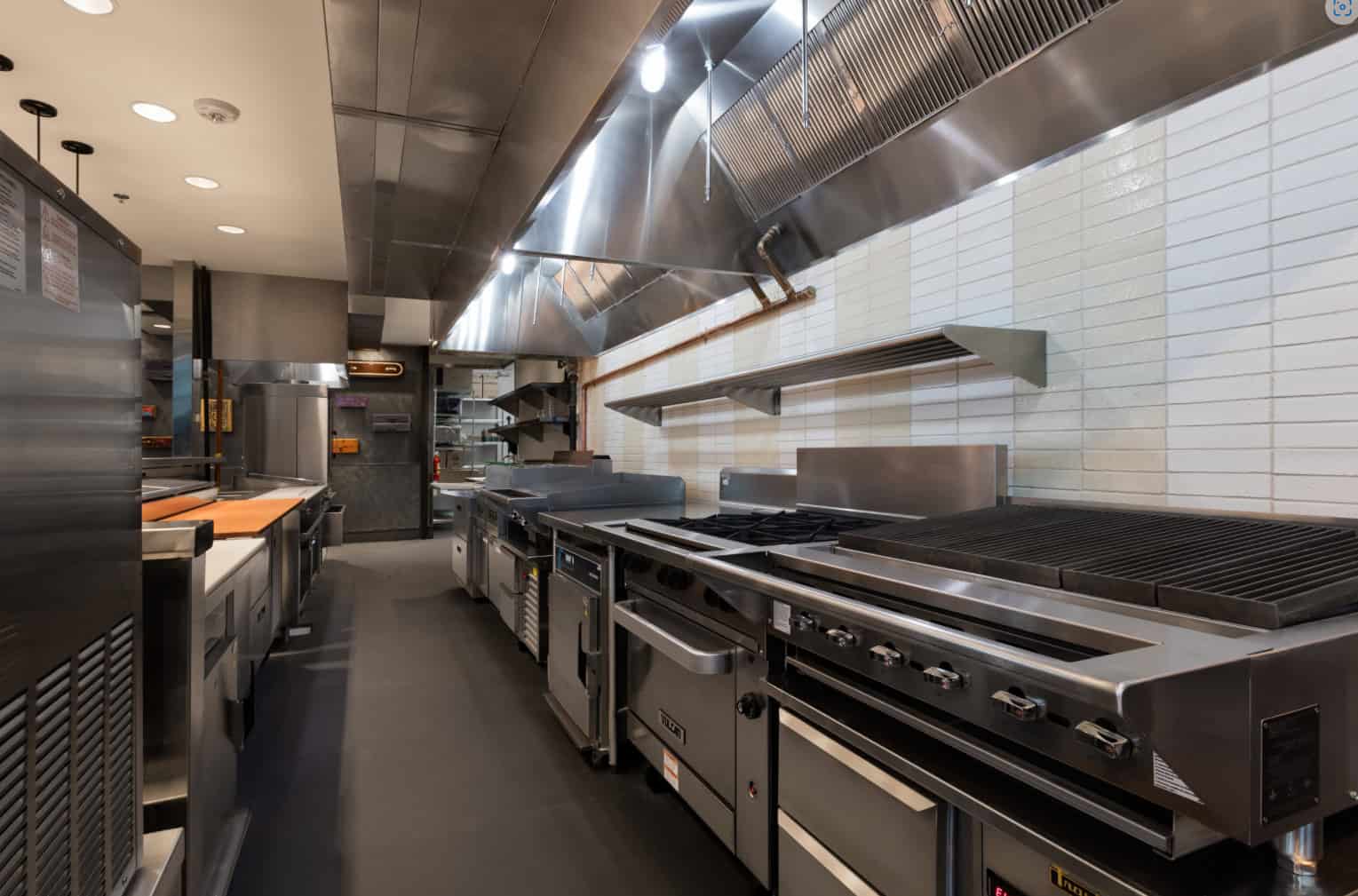
Commercial kitchens are among the most demanding environments in any facility. From restaurants and hotels to schools, hospitals, and catering operations, these spaces operate under constant pressure to produce food quickly, safely, and efficiently. Yet one of the most overlooked factors in maintaining a successful commercial kitchen is cleanliness, not just surface cleaning, but comprehensive equipment cleaning, ventilation maintenance, and HVAC system upkeep.
As foodservice operations continue to face stricter health regulations, rising labor costs, and increasing energy expenses, kitchen owners and managers are seeking smarter solutions to maintain sanitary conditions while improving operational efficiency. Innovative cleaning technologies are gaining attention because they help simplify the cleaning process while reducing labor and extending equipment life. At the same time, keeping commercial HVAC and ventilation systems compliant with modern standards is becoming increasingly important for safety, employee comfort, and long-term operational success.
Why Commercial Kitchen Cleanliness Matters
Cleanliness in a commercial kitchen extends far beyond appearances. It directly impacts:
- Food safety
- Employee health
- Customer satisfaction
- Regulatory compliance
- Equipment lifespan
- Energy efficiency
- Fire prevention
Grease, carbon buildup, food particles, and airborne contaminants accumulate rapidly in busy kitchens. If these contaminants are not removed regularly, they can create serious problems ranging from health code violations to costly equipment failures.
A clean kitchen also contributes to a more productive work environment. Employees can work more efficiently when equipment operates properly, surfaces remain sanitary, and air quality is maintained. Conversely, dirty kitchens often experience increased downtime, higher maintenance costs, and greater risks of accidents or contamination.
The Hidden Costs of Poor Kitchen Maintenance
Many operators focus solely on visible cleaning tasks while overlooking deeper maintenance requirements. Unfortunately, neglecting equipment and ventilation systems can lead to significant expenses.
Common issues include:
Equipment Failure
Grease and carbon deposits force cooking equipment to work harder. Burners become less efficient, ovens take longer to heat, and cooking surfaces may not perform as intended.
Increased Utility Costs
Dirty equipment and HVAC systems consume more energy. Exhaust systems clogged with grease, dirty condenser coils, and blocked airflow all contribute to rising utility bills.
Fire Hazards
Grease accumulation inside hoods, ductwork, and exhaust systems remains one of the most significant fire risks in commercial kitchens. Regular cleaning is essential to reduce these dangers. Industry discussions among HVAC and kitchen professionals consistently emphasize that grease buildup in ventilation systems creates serious safety concerns and requires ongoing maintenance.
Premature Equipment Replacement
When equipment is exposed to harsh chemicals, aggressive scrubbing, and years of neglected buildup, its lifespan can be significantly shortened.
The Rise of Innovative Kitchen Cleaning Solutions
Traditional cleaning methods often require extensive labor, large quantities of chemicals, and significant downtime. As labor shortages continue to affect the hospitality industry, many businesses are exploring automated cleaning technologies that reduce manual effort while improving results. One solution gaining popularity is Carbon X.
According to the company, the Carbon X system utilizes a heated stainless-steel soak tank combined with its proprietary CRX cleaning solution to remove carbon, grease, oil, and fat buildup from commercial kitchen equipment. The system is designed to clean a wide range of metal kitchen items while minimizing the need for intensive scrubbing.
Why Carbon X Is Trending
Commercial kitchens are increasingly interested in solutions that:
- Reduce labor requirements
- Improve sanitation
- Minimize chemical usage
- Extend equipment life
- Lower water consumption
Carbon X addresses these concerns through a soak-and-rinse process that allows staff to clean equipment with less manual effort. The company states that its CRX cleaning solution is biodegradable, food-safe, non-toxic, non-caustic, and capable of maintaining cleaning effectiveness for extended periods.
The system is commonly used to clean:
- Pots and pans
- Sheet pans
- Oven racks
- Hood filters
- Roasting trays
- Grill components
- Burners
- Smoker racks
- Various metal kitchen accessories
The process consists of loading equipment into the tank, allowing it to soak, and then rinsing the cleaned items.
Benefits Beyond Cleanliness
Modern cleaning technologies are increasingly evaluated not only by their cleaning performance but also by their impact on operational efficiency.
Carbon X reports benefits such as:
- Reduced labor hours
- Lower water usage
- Reduced chemical consumption
- Energy savings
- Extended equipment lifespan
- Improved kitchen organization
These benefits align with broader industry goals of sustainability and operational efficiency.
Ventilation: The Backbone of a Clean Kitchen
While equipment cleaning receives significant attention, ventilation systems are equally important.
Commercial kitchens generate:
- Smoke
- Heat
- Steam
- Grease-laden vapors
- Odors
- Airborne particles
Without proper ventilation, these contaminants remain trapped inside the kitchen, creating uncomfortable and potentially unsafe working conditions.
According to ASHRAE, commercial kitchen ventilation systems involve a complex combination of cooling, exhaust, replacement air, building pressurization, refrigeration, and air distribution systems working together.
A properly functioning ventilation system helps:
- Remove airborne grease
- Improve indoor air quality
- Reduce excessive heat
- Protect equipment
- Support fire safety measures
- Improve employee comfort
Industry professionals frequently note that ventilation is much more than simply installing an exhaust fan. Effective systems require engineered airflow management that controls heat, contaminants, and pressure relationships throughout the facility.
Understanding Current HVAC Standards
Today’s commercial kitchens must comply with a variety of regulations and standards that govern ventilation, exhaust systems, and indoor air quality.
Key standards often include:
- ASHRAE guidelines
- NFPA 96 requirements
- International Mechanical Code (IMC)
- Local building and fire codes
ASHRAE emphasizes that commercial kitchen exhaust hood design, installation, and maintenance must follow nationally recognized standards and applicable local regulations. The type of cooking equipment used often determines ventilation requirements.
Because regulations can vary by jurisdiction, operators should always consult qualified HVAC professionals who understand both national standards and local code requirements.
Common HVAC Problems in Commercial Kitchens
Even well-designed systems require regular maintenance.
Some of the most common issues include:
Dirty Hood Filters
Grease-covered filters reduce airflow and increase fire risks.
Clogged Exhaust Systems
Ductwork can accumulate grease over time, restricting performance and creating hazardous conditions.
Improper Make-Up Air
Commercial kitchens remove large volumes of air through exhaust hoods. Without sufficient replacement air, kitchens may experience pressure imbalances that affect comfort and efficiency. HVAC professionals frequently stress the importance of balancing exhaust and make-up air systems.
Dirty HVAC Components
Air filters, coils, belts, dampers, and fans require routine inspection and cleaning. Neglected components can reduce cooling capacity and increase operating costs. HVAC professionals often identify poor maintenance as a major reason commercial kitchens struggle to remain comfortable during peak summer conditions.
Why Professional Maintenance Is Essential
Some kitchen operators attempt to manage HVAC and ventilation systems internally. While routine inspections are valuable, professional service remains critical.
Experienced HVAC and kitchen ventilation specialists can:
- Identify airflow problems
- Ensure code compliance
- Perform load calculations
- Evaluate make-up air requirements
- Inspect exhaust systems
- Detect equipment inefficiencies
- Recommend upgrades
- Improve energy performance
Professional technicians also understand how kitchen equipment, refrigeration systems, ventilation systems, and HVAC equipment interact with one another. This integrated perspective is essential in modern commercial kitchens.
Creating a Comprehensive Kitchen Maintenance Strategy
The most successful foodservice operations view cleanliness and maintenance as ongoing processes rather than occasional projects.
A comprehensive maintenance plan should include:
Daily Tasks
- Surface sanitization
- Equipment wipe-downs
- Grease removal
- Floor cleaning
Weekly Tasks
- Hood filter cleaning
- Equipment inspections
- Drain maintenance
Monthly Tasks
- Deep cleaning programs
- HVAC filter inspections
- Ventilation assessments
- Equipment performance reviews
Annual Tasks
- Professional HVAC inspections
- Exhaust system evaluations
- Code compliance reviews
- Equipment replacement planning
Integrating innovative cleaning technologies such as Carbon X into this schedule can help reduce labor demands while supporting higher cleaning standards.
The Future of Commercial Kitchen Maintenance
Commercial kitchens are evolving rapidly. Operators are increasingly focused on:
- Sustainability
- Water conservation
- Energy efficiency
- Labor optimization
- Regulatory compliance
- Employee wellness
Technologies that reduce resource consumption while improving sanitation are likely to become even more popular. Likewise, HVAC systems are becoming smarter, more efficient, and more integrated with overall building management systems.
As standards continue to evolve, proactive maintenance will become even more important. Businesses that invest in modern cleaning solutions, maintain proper ventilation systems, and partner with qualified HVAC professionals will be better positioned to control costs, avoid disruptions, and maintain safe working environments.
Conclusion
Maintaining a clean commercial kitchen requires more than routine surface cleaning. Equipment, ventilation systems, HVAC infrastructure, and exhaust components all play critical roles in food safety, employee comfort, regulatory compliance, and operational efficiency.
Innovative solutions are helping foodservice operators streamline deep-cleaning processes by removing carbon, grease, and oil buildup while reducing labor and chemical usage.
At the same time, staying current with HVAC standards and maintaining properly functioning ventilation systems is essential for safety, air quality, and long-term equipment performance. ASHRAE guidelines and other industry standards make it clear that commercial kitchen ventilation is a sophisticated system requiring professional design, installation, and maintenance.
For restaurant owners, facility managers, schools, hospitals, hotels, and other foodservice operators, the formula for success is straightforward: maintain rigorous cleaning practices, embrace efficient technologies, and partner with experienced HVAC and ventilation professionals who can keep every system operating at peak performance. By doing so, commercial kitchens can remain cleaner, safer, more efficient, and better prepared for the future.
Ready to enhance your commercial kitchens? Contact NRI today!
About Nationwide Refrigeration, Inc.
Nationwide Refrigeration, Inc. (NRI) is an employee-owned company providing expert commercial refrigeration, HVAC and ice machine services across Washington, D.C., Maryland and Virginia since 1974. Known for its commitment to doing the job right the first time and the right thing every time, NRI offers emergency service from EPA-certified technicians and supports over 160 equipment brands. In 2020, NRI became fully employee-owned, reinforcing its dedication to quality, integrity and long-term customer relationships. The company’s strong, people-first culture continues to drive its reputation for reliability and resilience. For more information, please visit nriusa.com.