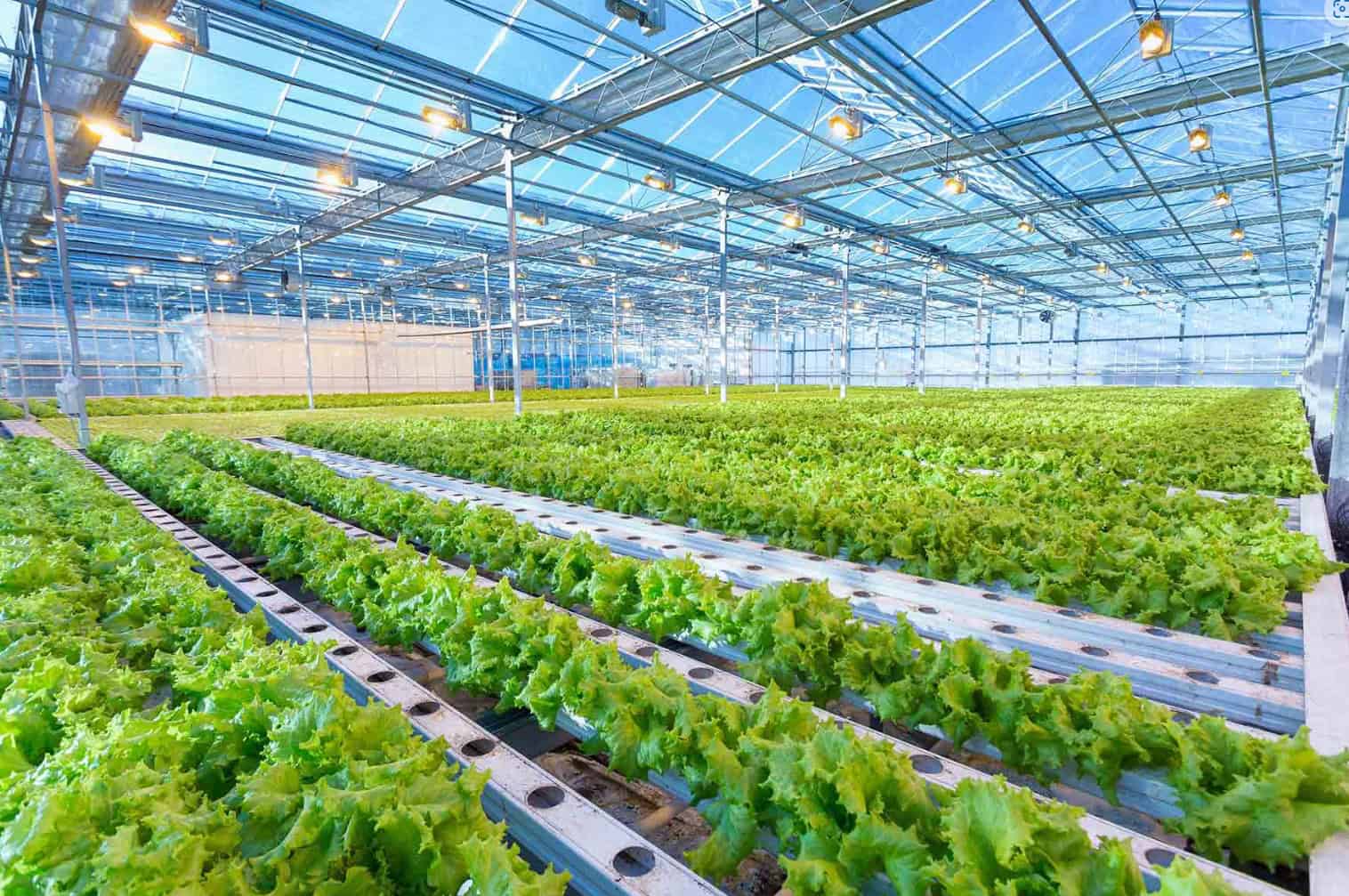
Why Climate-Controlled Growing Systems Are Gaining Popularity
Agriculture has undergone significant changes over the past decade. As concerns surrounding food security, sustainability, transportation costs, and climate unpredictability continue to grow, businesses are increasingly turning to innovative technologies to produce fresh food closer to consumers. One of the most exciting developments in this space is the rise of refrigerated commercial farming units.
These self-contained, climate-controlled growing environments are changing how restaurants, grocery stores, hotels, healthcare facilities, schools, and agricultural entrepreneurs approach food production. By leveraging advanced refrigeration, HVAC, lighting, and automation technologies, refrigerated farming units make it possible to grow crops year-round regardless of weather conditions or geographic limitations.
Companies such as Instafarm are helping lead this movement through automated indoor growing systems that bring farming directly into commercial environments. Their commercial growing units utilize smart technology, controlled environmental conditions, automated watering systems, LED lighting, and monitoring capabilities to simplify the cultivation of microgreens and other crops. According to Instafarm, their commercial unit is designed to help restaurants, hospitality venues, retailers, and wellness facilities grow fresh produce on-site while reducing waste and improving freshness.
As the industry expands, one factor remains critical to success: partnering with an experienced HVAC and refrigeration specialist capable of properly installing, optimizing, and maintaining these sophisticated systems.
What Are Refrigerated Commercial Farming Units?
Refrigerated commercial farming units are enclosed environments designed to create optimal growing conditions for plants. Unlike traditional farming, these systems rely on carefully controlled temperatures, humidity levels, airflow, lighting, and irrigation systems to support plant growth.
Many of these units are housed within modular structures, dedicated growing rooms, or repurposed shipping containers. Others are integrated directly into commercial kitchens, restaurants, grocery stores, and food service facilities.
The goal is simple: provide plants with ideal growing conditions every day of the year.
Advanced environmental controls allow operators to regulate:
- Temperature
- Humidity
- Air circulation
- Carbon dioxide levels
- Light exposure
- Water usage
- Nutrient delivery
This controlled environment agriculture model helps eliminate many of the variables that affect traditional farming, including droughts, extreme temperatures, pests, and seasonal limitations. Research on containerized vertical farming has shown that climate-controlled environments can support year-round production while enabling greater automation of growing operations.
Why Refrigerated Farming Units Are Becoming More Popular
1. Year-Round Growing Capabilities
One of the most attractive benefits of refrigerated commercial farming systems is their ability to produce crops throughout the year.
Traditional farms remain heavily dependent on weather patterns and seasonal cycles. Heat waves, frost, droughts, storms, and excessive rainfall can all impact crop yields.
With climate-controlled growing environments, operators can maintain ideal conditions regardless of outdoor temperatures. Whether it’s the middle of winter or the peak of summer, crops can continue growing consistently.
For businesses that depend on a reliable supply of fresh ingredients, this predictability is invaluable.
2. Increased Food Freshness
Consumers are increasingly demanding fresher, locally sourced food.
Traditional produce often travels hundreds or even thousands of miles before reaching its final destination. During transportation and storage, freshness begins to decline.
Commercial growing units allow food to be harvested just moments before use. Instafarm’s commercial system, for example, is designed to allow restaurants and hospitality facilities to grow microgreens and herbs on-site, reducing transportation requirements and maximizing freshness.
This farm-to-table approach can enhance flavor, nutritional value, and overall customer satisfaction.
3. Reduced Food Waste
Food waste remains a significant challenge across the food service and retail industries.
When businesses order produce from suppliers, they often face spoilage, over-ordering, and inventory management issues.
By growing crops directly on-site, operators can harvest only what they need when they need it. This helps reduce waste while improving inventory control.
Many refrigerated farming systems are specifically designed to support sustainability goals by minimizing unnecessary spoilage and reducing supply chain inefficiencies.
4. Efficient Use of Space
Urban environments often lack access to large agricultural areas.
Commercial farming units address this challenge by maximizing productivity within a small footprint. Vertical growing systems allow multiple layers of crops to be cultivated in the same space, increasing output without requiring additional square footage.
This makes them particularly attractive for:
- Restaurants
- Hotels
- Universities
- Hospitals
- Grocery stores
- Mixed-use developments
- Urban agriculture initiatives
The ability to grow substantial amounts of produce in compact environments has contributed significantly to the growing popularity of controlled environment agriculture.
5. Enhanced Sustainability
Sustainability has become a major focus for businesses across nearly every industry.
Refrigerated farming systems often use significantly less water than traditional agriculture while reducing transportation emissions associated with food distribution.
Many systems also incorporate:
- Energy-efficient LED grow lighting
- Automated irrigation systems
- Water recycling technologies
- Smart environmental monitoring
- Reduced pesticide requirements
These benefits align well with corporate sustainability initiatives and consumer preferences for environmentally responsible practices.
Industries Benefiting from Refrigerated Farming Technology
The adoption of refrigerated commercial farming units is expanding across multiple industries.
Restaurants and Hospitality
Chefs increasingly seek access to ultra-fresh herbs, microgreens, and specialty produce.
On-site growing systems allow restaurants to harvest ingredients at peak freshness while reducing dependency on external suppliers. Instafarm specifically markets its commercial units toward restaurants, hotels, wellness centers, and food service operators looking to enhance freshness and reduce waste.
Healthcare Facilities
Hospitals and healthcare campuses are exploring controlled growing systems to provide patients and staff with access to fresh produce while supporting nutrition-focused initiatives.
Educational Institutions
Universities and schools are incorporating indoor farming technology into sustainability programs, food service operations, and educational curricula.
Retail and Grocery Stores
Retailers can differentiate themselves by offering hyper-local produce grown directly within or near their stores.
Commercial Property Owners
Developers and property managers are increasingly exploring indoor agriculture as an amenity for mixed-use developments, multifamily properties, and commercial campuses.
The Critical Role of HVAC and Refrigeration Systems
While the growing technology receives much of the attention, the true backbone of every refrigerated farming unit is its HVAC and refrigeration infrastructure.
Plants are highly sensitive to environmental conditions.
Even small fluctuations in temperature, humidity, airflow, or ventilation can negatively affect growth rates, yields, and crop quality.
Proper environmental control requires sophisticated systems capable of maintaining precise conditions around the clock.
These systems typically include:
- Refrigeration equipment
- HVAC systems
- Humidity control systems
- Air filtration
- Ventilation systems
- Environmental monitoring sensors
- Automated controls
Without reliable climate control, crop production can quickly become inconsistent.
Why HVAC Refrigeration Specialists Are Essential
The installation and maintenance of commercial farming units should never be treated as a standard refrigeration project.
These facilities require specialized expertise because plant health depends directly on environmental performance.
A trusted HVAC refrigeration specialist can help with:
System Design
Every growing operation has unique requirements.
HVAC professionals can calculate cooling loads, airflow needs, humidity control requirements, and equipment sizing to ensure optimal performance.
Installation
Proper installation ensures all components work together efficiently and reliably.
This includes:
- Refrigeration systems
- Ventilation equipment
- Controls integration
- Drainage systems
- Electrical coordination
- Environmental monitoring systems
Preventive Maintenance
Routine maintenance is essential to avoid costly downtime.
Regular service visits can help identify potential issues before they impact crops.
Preventive maintenance often includes:
- Refrigerant inspections
- Coil cleaning
- Airflow verification
- Sensor calibration
- Control testing
- Drain line cleaning
- Humidity control checks
Emergency Repairs
Because crops depend on stable environmental conditions, equipment failures can quickly lead to losses.
Having access to a responsive refrigeration service provider helps minimize downtime and protect valuable inventory.
Energy Optimization
HVAC specialists can identify opportunities to improve efficiency, reduce operating costs, and extend equipment life through system upgrades and optimization strategies.
The Future of Refrigerated Commercial Farming
The future of agriculture is increasingly tied to technology, automation, and climate-controlled growing environments.
Advancements in artificial intelligence, sensors, environmental monitoring, automation, and energy-efficient refrigeration systems are making commercial farming units more accessible and more productive than ever before. Instafarm’s latest commercial platform incorporates smart sensors, camera-based plant analysis, automated watering systems, and advanced lighting technologies designed to optimize growth while simplifying operation.
As food service operators, retailers, healthcare organizations, and commercial property owners seek more sustainable and resilient food production solutions, refrigerated farming systems will likely continue expanding across North America.
For organizations considering this technology, success depends not only on the growing equipment itself but also on the expertise behind the climate-control systems that support it.
Partnering with an experienced HVAC refrigeration specialist ensures these sophisticated growing environments operate efficiently, maintain optimal conditions, and deliver reliable crop production throughout the year.
Conclusion
Refrigerated commercial farming units are redefining what is possible in modern agriculture. By combining advanced refrigeration, HVAC technology, automation, and controlled environment growing practices, these systems allow businesses to produce fresh, high-quality crops closer to where they are consumed.
From restaurants and hotels to healthcare facilities and retail environments, organizations are embracing climate-controlled agriculture for its ability to improve freshness, reduce waste, maximize space, and support sustainability initiatives.
As adoption continues to grow, the importance of professional HVAC and refrigeration expertise cannot be overstated. Proper installation, maintenance, and system optimization are essential to protecting crop quality, maximizing efficiency, and ensuring long-term success.
For any business investing in refrigerated commercial farming technology, a trusted HVAC refrigeration partner remains one of the most valuable resources for achieving consistent, reliable results.
For any and all your refrigeration and ice machine service needs, contact NRI today!
About Nationwide Refrigeration, Inc.
Nationwide Refrigeration, Inc. (NRI) is an employee-owned company providing expert commercial refrigeration, HVAC and ice machine services across Washington, D.C., Maryland and Virginia since 1974. Known for its commitment to doing the job right the first time and the right thing every time, NRI offers emergency service from EPA-certified technicians and supports over 160 equipment brands. In 2020, NRI became fully employee-owned, reinforcing its dedication to quality, integrity and long-term customer relationships. The company’s strong, people-first culture continues to drive its reputation for reliability and resilience. For more information, please visit nriusa.com.