Why Grocery Stores Must Prioritize HVAC, Refrigeration, and Cooling System Maintenance
Walk into any grocery store and you’ll immediately notice something most shoppers take for granted: the environment feels clean, cool, and consistent. Fresh produce stays crisp, dairy products remain cold, frozen foods stay solid, and customers can comfortably browse the aisles regardless of the weather outside. Behind that seamless experience is a complex network of HVAC, refrigeration, and cooling systems working around the clock.
For grocery stores, these systems are not optional conveniences, they are mission-critical infrastructure. A single refrigeration failure can lead to thousands of dollars in spoiled inventory within hours. Poor HVAC performance can affect customer comfort, indoor air quality, employee productivity, and even food safety compliance. As energy costs continue to rise and consumers demand fresher products, preventive maintenance has become one of the smartest operational investments a grocery retailer can make.
Industry research shows refrigeration systems alone can account for roughly 40–50% of a grocery store’s total energy use, making them one of the largest operational expenses for supermarkets. That means inefficient equipment doesn’t just create repair headaches — it directly impacts profitability.
Refrigeration Is the Heart of Grocery Operations
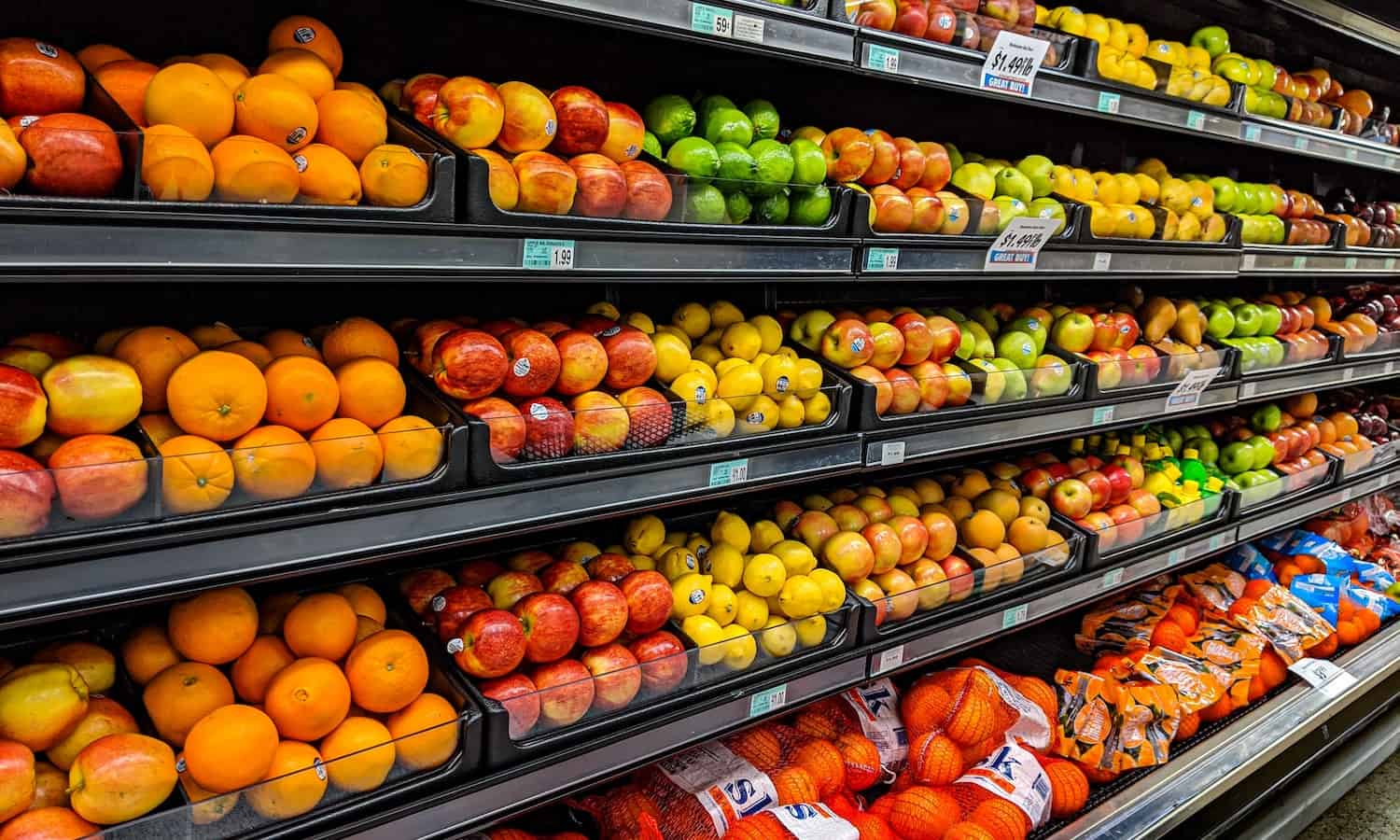
Unlike many other retail environments, grocery stores depend heavily on temperature-sensitive inventory. Meat, seafood, dairy, frozen foods, prepared meals, and produce all require precise temperature control to remain safe and sellable.
Commercial refrigeration systems in grocery stores typically operate 24 hours a day, seven days a week. These systems include:
- Walk-in coolers and freezers
- Open-air refrigerated display cases
- Reach-in refrigerators
- Ice machines
- Backroom cold storage
- Deli and bakery cooling systems
Because these systems never truly stop running, wear and tear accumulates quickly. Small issues such as clogged coils, damaged door gaskets, refrigerant leaks, or failing compressors can rapidly escalate into larger problems if left unaddressed.
When refrigeration systems fail, the consequences are immediate and expensive. Stores may lose entire sections of inventory, face food safety violations, or suffer reputational damage with customers who expect fresh and safe products. Preventive maintenance dramatically reduces these risks by identifying issues before they become emergencies.
Food Safety Depends on Reliable Cooling
One of the most important reasons grocery stores must maintain refrigeration systems is food safety.
Perishable foods require strict temperature control to prevent bacterial growth and contamination. Refrigeration systems preserve shelf life, maintain product integrity, and help stores comply with health regulations. Some examples include:
- Refrigerators generally need to maintain temperatures between 35°F and 38°F
- Freezers typically operate between -14°F and -8°F
Even short periods of temperature fluctuation can compromise sensitive products. Spoiled meat, thawed frozen items, or improperly cooled dairy products not only create waste but can expose stores to liability and failed inspections.
Routine maintenance ensures temperature sensors, thermostats, evaporator coils, compressors, and airflow systems function properly. Technicians can also identify refrigerant leaks or airflow restrictions that may cause hidden temperature inconsistencies before they affect products on the shelf.
In today’s retail environment, customers expect freshness and reliability. One visible refrigeration issue can quickly damage consumer trust.
HVAC Systems Affect More Than Comfort
While refrigeration often receives the most attention, HVAC systems are equally important in grocery environments.
Heating, ventilation, and air conditioning systems regulate indoor climate, humidity, and air quality throughout the store. Proper HVAC performance helps create a comfortable shopping experience while also supporting refrigeration efficiency. Poor HVAC maintenance can create several problems:
- Excess humidity leading to condensation around refrigerated cases
- Temperature imbalances throughout the store
- Increased strain on refrigeration systems
- Mold or indoor air quality concerns
- Uncomfortable shopping conditions for customers and employees
Humidity control is particularly important in grocery stores because excess moisture can interfere with refrigerated display cases and frozen food aisles. High humidity may cause ice buildup, fogged glass doors, slippery floors, and inconsistent cooling performance.
A properly maintained HVAC system helps stabilize indoor conditions, allowing refrigeration equipment to operate more efficiently and reliably.
Energy Efficiency Directly Impacts Profit Margins
Energy costs represent one of the largest operating expenses for grocery retailers. Refrigeration and HVAC systems consume enormous amounts of electricity due to their constant operation. According to industry sources, refrigeration alone may account for nearly half of a supermarket’s total energy consumption. Unfortunately, poorly maintained equipment wastes energy quickly.
Dirty condenser coils, clogged air filters, low refrigerant levels, malfunctioning thermostats, and worn components force systems to work harder than necessary. That increased strain leads to:
- Higher utility bills
- Reduced efficiency
- Shorter equipment lifespan
- More frequent breakdowns
Preventive maintenance can significantly reduce energy consumption. Some industry estimates suggest that regular maintenance programs can lower energy use by 10–30%. Simple maintenance tasks can deliver meaningful savings:
- Cleaning refrigeration coils
- Replacing HVAC filters
- Inspecting door seals
- Calibrating thermostats
- Monitoring refrigerant levels
- Verifying airflow performance
For stores operating on thin margins, even modest reductions in energy use can create substantial long-term savings.
Preventive Maintenance Extends Equipment Lifespan
Commercial refrigeration and HVAC systems represent major capital investments for grocery stores. Replacing compressors, rooftop HVAC units, or entire refrigeration systems can cost tens or even hundreds of thousands of dollars.
Routine maintenance helps maximize the lifespan of these assets. Industry research indicates preventive maintenance can extend HVAC system lifespan by 30–50% by reducing stress on motors, compressors, and moving components. Regular service allows technicians to:
- Lubricate moving parts
- Identify worn components
- Clean coils and drains
- Tighten electrical connections
- Detect refrigerant issues early
- Monitor compressor performance
Addressing minor problems during scheduled maintenance is far less expensive than responding to catastrophic failures during peak business hours. Replacing a worn belt or repairing a refrigerant leak during a maintenance visit may cost a few hundred dollars. Waiting until the system fails completely could result in emergency repair fees, inventory loss, and business disruption costing thousands.
Emergency Downtime Is Costly
Unexpected refrigeration or HVAC failures are especially disruptive in grocery environments because operations depend heavily on continuous cooling. A refrigeration outage can force stores to:
- Dispose of spoiled inventory
- Close sections of the store
- Relocate products
- Handle emergency repair costs
- Manage customer complaints
During summer months or high-demand periods, emergency downtime becomes even more dangerous because systems already operate under heavier loads.
Preventive maintenance minimizes these risks by helping technicians identify warning signs before breakdowns occur. Predictive and data-driven maintenance programs are becoming increasingly common in grocery retail because they allow stores to monitor equipment performance in real time and proactively address inefficiencies.
Reducing downtime is not just about protecting inventory, it’s more about maintaining operational continuity and customer confidence.
Customer Experience Matters
Modern grocery stores compete on more than pricing. Customers expect clean, comfortable, and pleasant shopping environments.
Temperature plays a major role in the overall customer experience. If a store feels too warm, humid, or uncomfortable, shoppers may shorten visits or choose competitors instead. HVAC and refrigeration systems influence:
- Store comfort
- Air quality
- Product appearance
- Freshness perception
- Noise levels
- Odor control
Fresh produce that appears wilted or frozen aisles covered in condensation can negatively affect customer confidence, even if products remain technically safe. Properly maintained systems help grocery stores create a consistent and professional shopping environment that encourages longer visits and repeat business.
Sustainability and Environmental Responsibility
Consumers and regulators increasingly expect businesses to improve sustainability practices and reduce energy waste. Efficient HVAC and refrigeration maintenance supports sustainability goals by:
- Lowering energy consumption
- Reducing greenhouse gas emissions
- Minimizing refrigerant leaks
- Extending equipment lifespan
- Reducing food waste
Food waste alone represents a major environmental challenge, and refrigeration failures contribute directly to unnecessary product disposal. Maintaining reliable cooling systems helps stores reduce waste while improving operational efficiency. Many newer refrigeration systems also use environmentally friendlier refrigerants and advanced monitoring technology to improve efficiency and compliance.
What an Effective Maintenance Program Should Include
A strong grocery store maintenance program should combine routine inspections, scheduled servicing, and performance monitoring. Key maintenance tasks include:
- Cleaning evaporator and condenser coils
- Replacing HVAC filters regularly
- Checking refrigerant levels
- Inspecting door gaskets and seals
- Calibrating thermostats and sensors
- Testing compressors and motors
- Monitoring airflow and ventilation
- Cleaning drain lines
- Inspecting electrical components
- Verifying humidity control systems
Stores should also maintain detailed maintenance logs and schedule seasonal inspections before extreme weather periods. Increasingly, grocery retailers are adopting smart monitoring systems that provide real-time alerts for temperature changes, equipment inefficiencies, and energy spikes. These systems help maintenance teams respond faster and reduce the likelihood of costly failures.
Final Thoughts
HVAC and refrigeration systems are the backbone of grocery store operations. They protect food safety, preserve inventory, reduce energy costs, improve customer comfort, and support long-term profitability.
For grocery retailers, maintenance should never be viewed as an optional expense. Preventive maintenance is a strategic investment that protects products, employees, customers, and the business itself. As energy costs rise and consumer expectations continue to grow, stores that prioritize proactive HVAC and refrigeration maintenance will be better positioned to operate efficiently, reduce waste, and deliver the reliable shopping experience customers expect.
Ready to upgrade your systems and provide the ultimate customer experience? Contact NRI today!
About Nationwide Refrigeration, Inc.
Nationwide Refrigeration, Inc. (NRI) is an employee-owned company providing expert commercial refrigeration, HVAC and ice machine services across Washington, D.C., Maryland and Virginia since 1974. Known for its commitment to doing the job right the first time and the right thing every time, NRI offers emergency service from EPA-certified technicians and supports over 160 equipment brands. In 2020, NRI became fully employee-owned, reinforcing its dedication to quality, integrity and long-term customer relationships. The company’s strong, people-first culture continues to drive its reputation for reliability and resilience. For more information, please visit nriusa.com.