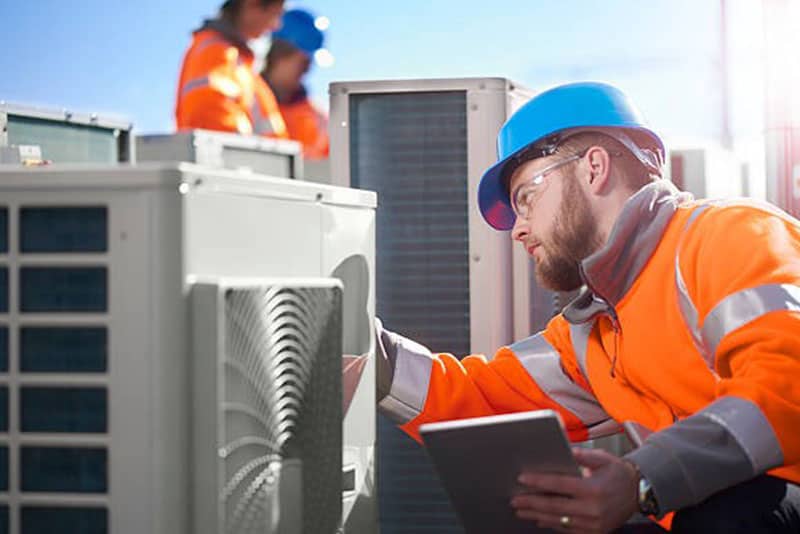
The Rise of Commercial HVAC Growth, and Why Buildings Need Expert Services and Regular Maintenance
Across the commercial real estate landscape, HVAC systems have become one of the most critical operational assets in modern buildings. From office towers and hospitals to data centers and multi-family housing, heating, ventilation, and air conditioning systems now play a central role in energy management, occupant comfort, regulatory compliance, and operational continuity.
As a result, the commercial HVAC sector is experiencing significant growth. Market demand is expanding alongside rising expectations for building performance, sustainability, and indoor air quality. Yet this growth also brings new challenges: systems are more complex, downtime is more costly, and maintenance is more essential than ever.
For property managers and building owners, the message is clear: investing in expert service and proactive HVAC maintenance is no longer optional, it is a strategic necessity.
The Rapid Growth of the Commercial HVAC Industry
The commercial HVAC industry has seen substantial expansion in recent years, fueled by several converging factors. These include population growth, increasing urbanization, stricter environmental regulations, and the rise of smart buildings.
Globally, the HVAC market was valued at more than $310 billion in 2024 and is expected to reach over $545 billion by 2034, reflecting steady annual growth across residential, commercial, and industrial sectors.
Within that larger industry, commercial HVAC systems represent a major segment. The global commercial HVAC system market alone is projected to grow from roughly $72 billion in 2025 to nearly $120 billion by 2034, demonstrating strong long-term demand.
North America remains a particularly strong driver of this expansion. The regional commercial HVAC market is expected to reach $11.26 billion in 2025 and grow at an annual rate of nearly 9% through 2030.
Meanwhile, the broader HVAC services sector, maintenance, repairs, and system upgrades, is growing in tandem. In the United States alone, the HVAC services market reached about $28.2 billion in 2025 and is projected to grow significantly by 2030.
These figures highlight a fundamental shift: HVAC systems are no longer simply background infrastructure. They are now a central component of building performance and long-term asset value.
What’s Driving the Surge in Demand?
Several major trends are pushing commercial HVAC growth to new heights.
1. Energy Efficiency and Sustainability
Energy consumption remains one of the largest operating costs for commercial buildings. HVAC systems alone can account for up to 40% of a building’s energy use, making them a primary target for efficiency improvements.
As companies pursue sustainability goals and comply with stricter environmental regulations, building owners are upgrading to high-efficiency systems, advanced controls, and smart automation platforms.
Modern HVAC technologies, including variable refrigerant flow systems, advanced heat pumps, and building automation systems, can significantly reduce energy consumption while maintaining optimal indoor conditions.
2. Indoor Air Quality Awareness
The COVID-19 pandemic fundamentally changed how organizations think about indoor air quality. Today, improved ventilation and filtration are top priorities for offices, schools, healthcare facilities, and hospitality venues. Advanced HVAC systems now incorporate:
- High-efficiency filtration
- Increased outdoor air ventilation
- Air purification technologies
- Smart monitoring systems
These upgrades improve occupant health while also ensuring compliance with evolving building standards and safety regulations.
3. Data Centers and High-Tech Infrastructure
One of the fastest-growing drivers of HVAC demand is the rise of data centers and digital infrastructure. These facilities require specialized cooling systems to manage the massive heat generated by servers and computing equipment.
The expansion of artificial intelligence and cloud computing is accelerating demand for high-performance cooling systems across North America and globally. In many cases, advanced HVAC solutions are essential to maintaining uptime and preventing costly disruptions in these critical facilities.
4. Aging Infrastructure
Many commercial buildings still rely on HVAC systems installed decades ago. These older systems often struggle to meet modern efficiency standards, regulatory requirements, and tenant expectations.
As equipment reaches the end of its life cycle, building owners are increasingly investing in system replacements, retrofits, and modernization projects.
Why HVAC Systems Are Critical to Building Operations
While HVAC systems are sometimes overlooked, they are among the most important mechanical components in a commercial property. They influence:
- Occupant comfort
- Indoor air quality
- Energy consumption
- Equipment protection
- Operational continuity
In some buildings, HVAC failures can bring operations to a halt. For example, a malfunctioning cooling system in a data center could lead to equipment overheating and potential service outages. In healthcare settings, HVAC systems help maintain sterile environments and precise climate control.
In short, HVAC systems are essential to both comfort and mission-critical operations.
The Importance of Preventive HVAC Maintenance
With HVAC systems becoming more complex and vital, preventive maintenance has become a key component of effective building management.
Preventive maintenance involves routine inspections, system cleaning, calibration, and component testing to ensure equipment operates efficiently and reliably. Without regular maintenance, even the most advanced HVAC systems can quickly develop performance issues.
1. Improved Energy Efficiency
A poorly maintained HVAC system works harder to achieve the same results. Dirty filters, clogged coils, and improper refrigerant levels force equipment to consume more energy.
Routine maintenance can significantly improve system efficiency, helping buildings reduce utility costs and environmental impact. In fact, studies suggest regular maintenance can improve HVAC efficiency by up to 40% when issues like airflow restrictions and mechanical inefficiencies are addressed. For large commercial buildings, these savings can translate into thousands or even millions of dollars over time.
2. Reduced Risk of Unexpected Breakdowns
Unexpected HVAC failures can cause major disruptions, particularly during extreme weather conditions.
Emergency repairs are often costly and time-consuming. Preventive maintenance helps identify potential problems early, allowing technicians to resolve issues before they escalate into system failures.
Regular inspections also ensure that components such as compressors, fans, motors, and electrical connections remain in optimal condition.
3. Extended Equipment Lifespan
Commercial HVAC systems represent a significant capital investment. With proper maintenance, many systems can operate efficiently for 15–20 years or more.
Preventive care reduces wear and tear, protects critical components, and helps maximize the lifespan of expensive equipment. Without maintenance, however, system lifespan can be dramatically shortened, forcing building owners into costly early replacements.
4. Improved Indoor Comfort
Comfort is a major factor in tenant satisfaction and workplace productivity. Inconsistent temperatures, humidity issues, or poor air circulation can lead to complaints from employees, tenants, or customers.
Well-maintained HVAC systems deliver consistent airflow, stable temperatures, and improved air quality, creating a more comfortable indoor environment for everyone in the building.
The Role of Expert HVAC Technicians
As commercial HVAC systems become more advanced, professional expertise has become increasingly important. Modern systems often incorporate:
- Smart sensors
- Building automation systems
- Energy monitoring software
- Variable-speed equipment
- Advanced refrigerant technologies
Diagnosing issues within these complex systems requires specialized training and experience. Qualified HVAC technicians bring several critical advantages:
Advanced Diagnostics
Experienced technicians can identify subtle performance issues before they develop into major failures.
Compliance and Safety
Commercial HVAC systems must meet strict building codes, environmental regulations, and safety standards. Professional technicians ensure systems remain compliant with local and federal requirements.
System Optimization
Experts can fine-tune system settings to improve efficiency, airflow balance, and overall performance.
Strategic Planning
In addition to repairs and maintenance, experienced HVAC professionals help building owners plan for system upgrades, energy improvements, and long-term equipment replacement strategies.
The Growing Need for Service Contracts
As HVAC systems become more complex and essential, many organizations are moving toward structured maintenance programs.
In fact, recurring HVAC service agreements already account for a majority of industry revenue, reflecting a shift toward predictable operational planning.
Maintenance contracts provide several advantages:
- Scheduled inspections and servicing
- Priority response during emergencies
- Predictable maintenance costs
- Improved system reliability
For property managers overseeing large portfolios of buildings, these agreements help ensure consistent performance across multiple locations.
HVAC as a Strategic Investment
The growth of the commercial HVAC sector reflects a broader shift in how organizations view building infrastructure.
Rather than treating HVAC systems as a simple maintenance item, many companies now view them as strategic assets that influence:
- Energy efficiency
- Sustainability goals
- Operational resilience
- Occupant experience
Modern HVAC systems are integral to smart building technology and environmental performance. Properly maintained systems can reduce operational costs, extend equipment life, and enhance overall building value.
Looking Ahead: The Future of Commercial HVAC
As the commercial HVAC market continues to grow, several trends will shape the future of the industry:
Smart building integration: HVAC systems will increasingly connect with building automation platforms and IoT sensors.
Energy-efficient technologies: Heat pumps, variable-speed compressors, and advanced ventilation systems will become more widespread.
Data-driven maintenance: Predictive analytics will help technicians identify potential failures before they occur.
Sustainability regulations: Governments and municipalities will continue to introduce stricter energy and emissions standards.
These trends will make expert service and maintenance even more important for building owners and property managers.
Summary
The commercial HVAC industry is expanding rapidly, driven by technological advancements, sustainability initiatives, and growing expectations for building performance. As HVAC systems become more complex and critical to daily operations, the importance of expert service and routine maintenance cannot be overstated.
Preventive maintenance improves efficiency, reduces operating costs, extends equipment lifespan, and helps avoid costly disruptions. At the same time, experienced HVAC professionals play a vital role in ensuring systems operate safely, reliably, and in compliance with evolving regulations.
For commercial property owners and managers, investing in expert HVAC service is not simply about fixing equipment when it breaks—it is about protecting the long-term performance, comfort, and value of their buildings.
In an era where building performance matters more than ever, proactive HVAC care is one of the smartest investments a commercial property can make.
Partnering with NRI today will solve all your HVAC needs and your tenants will thank you!
About Nationwide Refrigeration, Inc.
Nationwide Refrigeration, Inc. (NRI) is an employee-owned company providing expert commercial refrigeration, HVAC and ice machine services across Washington, D.C., Maryland and Virginia since 1974. Known for its commitment to doing the job right the first time and the right thing every time, NRI offers emergency service from EPA-certified technicians and supports over 160 equipment brands. In 2020, NRI became fully employee-owned, reinforcing its dedication to quality, integrity and long-term customer relationships. The company’s strong, people-first culture continues to drive its reputation for reliability and resilience. For more information, please visit nriusa.com.