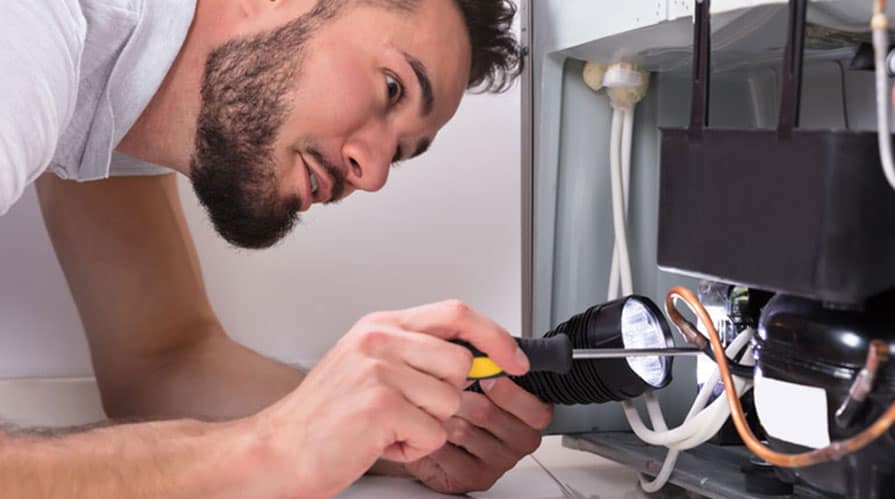
Warning Signs Your Commercial Property Needs HVAC System Work
In commercial properties, heating, ventilation, and air conditioning (HVAC) systems are the backbone of indoor comfort, operational efficiency, and air quality. Whether it’s an office building, apartment complex, retail store, hospital, or restaurant, a properly functioning HVAC system plays a crucial role in maintaining a healthy environment for employees, tenants, and customers alike.
However, HVAC systems don’t fail overnight. More often than not, they send warning signals long before a major breakdown occurs. Recognizing these signs early can help property managers and building owners avoid costly repairs, prevent downtime, and maintain safe, comfortable indoor conditions. Ignoring them can lead to serious consequences—ranging from skyrocketing energy bills to equipment failure and tenant complaints.
Below are the most common warning signs that a commercial property may have HVAC problems and why addressing them quickly is essential.
Inconsistent Indoor Temperatures
One of the most obvious signs of an HVAC problem is inconsistent temperature throughout the building. If certain rooms or floors feel significantly warmer or colder than others, it may indicate that the system is struggling to distribute air properly.
Temperature inconsistencies can stem from several issues, including:
- Faulty thermostats
- Blocked or leaking ductwork
- Poor airflow
- Aging HVAC equipment
- Improper system balancing
For commercial buildings with large square footage, maintaining consistent climate control is critical. Employees who are too hot or too cold can lose productivity, and customers may feel uncomfortable enough to leave. If occupants frequently adjust thermostats or complain about uneven temperatures, it’s often a sign the HVAC system needs professional attention.
Rising Energy Bills Without Explanation
A sudden increase in energy costs is another strong indicator that an HVAC system isn’t operating efficiently. Commercial HVAC systems account for a significant portion of a building’s energy consumption, so even minor inefficiencies can drive up utility bills.
Common causes of increased energy usage include:
- Dirty air filters
- Failing compressors or motors
- Refrigerant leaks
- Poor system maintenance
- Aging components
When HVAC systems work harder than necessary to maintain temperature, they consume more electricity and fuel. Over time, this inefficiency can lead to thousands of dollars in unnecessary energy costs.
Regular inspections and preventative maintenance can help identify the root cause of inefficiencies and restore optimal performance.
Poor Indoor Air Quality
Indoor air quality is a major concern for commercial properties, particularly in workplaces, residential buildings, healthcare facilities, and hospitality venues. HVAC systems play a critical role in filtering and circulating clean air throughout a building.
If occupants begin experiencing symptoms such as:
- Allergies
- Headaches
- Respiratory irritation
- Stuffy or stale air
Then all of which may mean the HVAC system may not be filtering or ventilating air properly.
Poor air quality can be caused by clogged filters, contaminated ductwork, mold growth, or malfunctioning ventilation systems. In some cases, inadequate fresh air intake can also lead to higher carbon dioxide levels indoors, which can affect concentration and productivity.
Maintaining proper filtration and ventilation ensures healthier indoor environments while protecting occupants from airborne contaminants.
Strange Noises Coming From Equipment
Commercial HVAC systems naturally produce some operational noise, but unusual sounds should never be ignored. Loud or unfamiliar noises often signal mechanical issues that could lead to serious equipment damage if left unresolved.
Some warning sounds include:
- Grinding: Worn-out motor bearings
- Banging or clanking: Loose or broken components
- Hissing: Refrigerant leaks or pressure issues
- Squealing: Belt or fan problems
These noises usually indicate parts that are failing or misaligned. Addressing the issue early can prevent a small mechanical problem from turning into a full system shutdown.
Frequent System Cycling
HVAC systems typically cycle on and off throughout the day to maintain consistent temperatures. However, if the system begins turning on and off much more frequently than usual, it may be experiencing “short cycling.”
Short cycling can occur due to:
- Improper thermostat settings
- Oversized equipment
- Refrigerant issues
- Airflow restrictions
When systems cycle too often, it places unnecessary strain on components and reduces overall efficiency. Over time, this can significantly shorten the lifespan of HVAC equipment and increase energy costs.
Professional technicians can diagnose the cause of short cycling and restore proper system operation.
Excess Humidity Inside the Building
Humidity control is a key function of commercial HVAC systems. If indoor spaces begin to feel damp or muggy, the HVAC system may not be removing moisture effectively.
Excess humidity can lead to several problems, including:
- Mold and mildew growth
- Damage to building materials
- Musty odors
- Uncomfortable working conditions
In commercial spaces like restaurants, offices, or retail stores, high humidity can negatively impact both employee productivity and customer satisfaction.
Properly functioning HVAC systems regulate moisture levels to keep indoor environments comfortable and protect the structural integrity of the building.
Unpleasant Odors
Strange smells coming from vents or HVAC equipment can signal a range of problems. While some odors may be harmless, others could indicate serious mechanical or environmental issues.
Common HVAC-related odors include:
- Musty smells: Mold or mildew in ductwork
- Burning odors: Electrical problems or overheating components
- Chemical smells: Refrigerant leaks
- Rotting odors: Organic debris trapped in the system
Unpleasant odors should always be investigated promptly, as they may indicate potential safety hazards or health concerns.
Weak Airflow From Vents
If air coming from vents feels weak or inconsistent, the HVAC system may be struggling to circulate air properly throughout the building.
Weak airflow can result from:
- Clogged air filters
- Duct leaks or blockages
- Failing blower motors
- Dirty evaporator coils
Poor airflow reduces comfort levels and forces HVAC systems to work harder, increasing energy consumption and wear on components.
Routine inspections and cleaning can help restore proper airflow and system efficiency.
Water Leaks Around HVAC Equipment
Moisture or pooling water near HVAC units is a serious warning sign that should not be ignored. HVAC systems naturally produce condensation during operation, but that moisture should drain properly through designated lines.
Water leaks may occur due to:
- Blocked condensate drain lines
- Damaged drain pans
- Frozen evaporator coils
- Refrigerant issues
If left unaddressed, water leaks can cause structural damage, mold growth, and expensive repairs.
Immediate professional service can identify the source of the leak and prevent further damage.
Aging or Outdated HVAC Systems
Even well-maintained HVAC systems have a limited lifespan. Most commercial HVAC units last between 15 and 20 years depending on usage and maintenance practices.
Older systems often experience:
- Decreased efficiency
- Frequent repairs
- Outdated technology
- Higher operating costs
If your building’s HVAC system is nearing the end of its lifespan, replacement or system upgrades may provide long-term cost savings through improved energy efficiency and performance.
Modern HVAC technology offers advanced features such as smart controls, energy monitoring, and improved ventilation systems that help property managers operate buildings more efficiently.
Increasing Maintenance and Repair Needs
Another major red flag is a noticeable increase in service calls and repair frequency. If HVAC technicians are being called regularly to fix different problems, it often indicates that the system is deteriorating.
Repeated repairs can quickly add up in cost and may signal that replacement is more economical than continuing to patch an aging system.
Preventative maintenance programs help identify potential problems early and extend the life of HVAC equipment while reducing the risk of unexpected failures.
Tenant and Occupant Complaints
In many commercial buildings, HVAC issues first become apparent through tenant complaints. Occupants who feel uncomfortable indoors are often quick to raise concerns about temperature, air quality, or ventilation.
Frequent complaints may involve:
- Rooms that are too hot or too cold
- Stuffy or stale air
- Drafts near vents
- Loud HVAC noise
Addressing HVAC issues promptly helps maintain tenant satisfaction and protects the reputation of property managers and building owners.
Comfortable indoor environments contribute to higher productivity, better customer experiences, and improved tenant retention.
Why Early Detection Matters
Ignoring HVAC warning signs can lead to more than just discomfort—it can cause operational disruptions and costly repairs. When commercial HVAC systems fail unexpectedly, businesses may need to temporarily close areas of the building or shut down operations altogether.
Early detection and preventative maintenance provide several benefits:
- Lower energy costs
- Extended equipment lifespan
- Improved indoor air quality
- Reduced risk of emergency repairs
- Greater occupant comfort
By scheduling regular inspections and responding quickly to warning signs, property managers can maintain efficient HVAC systems and avoid major disruptions.
Final Thoughts
Commercial HVAC systems are complex mechanical systems that require ongoing care and attention. When warning signs such as uneven temperatures, rising energy bills, strange noises, or poor air quality appear, they should never be ignored.
Proactively addressing these issues helps protect the comfort of building occupants while preventing expensive equipment failures. For property managers and commercial building owners, recognizing these early signals and working with experienced HVAC professionals ensures that systems continue operating safely, efficiently, and reliably.
In today’s competitive commercial environment, maintaining a properly functioning HVAC system isn’t just about comfort—it’s about protecting the long-term value and performance of the entire property.
Don’t wait to service your HVAC systems, a trusted partner like NRI is here to help you immediately!
About Nationwide Refrigeration, Inc.
Nationwide Refrigeration, Inc. (NRI) is an employee-owned company providing expert commercial refrigeration, HVAC and ice machine services across Washington, D.C., Maryland and Virginia since 1974. Known for its commitment to doing the job right the first time and the right thing every time, NRI offers emergency service from EPA-certified technicians and supports over 160 equipment brands. In 2020, NRI became fully employee-owned, reinforcing its dedication to quality, integrity and long-term customer relationships. The company’s strong, people-first culture continues to drive its reputation for reliability and resilience. For more information, please visit nriusa.com.