Prepare Your Buildings for Summer: The Importance of Pre-Summer Commercial HVAC Services
As the weather begins to warm and longer days signal the approach of summer, commercial building owners and property managers face a familiar challenge: ensuring their HVAC systems are prepared to handle months of heavy demand. For many commercial facilities, heating, ventilation and air conditioning (HVAC) systems operate nearly nonstop during the summer season. Without proper preparation, the strain placed on these systems can lead to inefficiency, costly breakdowns, uncomfortable indoor environments and even operational disruptions. Scheduling HVAC service before summer arrives is not just a precaution, it’s a strategic investment in reliability, energy efficiency and occupant comfort.
In commercial environments such as office buildings, apartment complexes, retail spaces, hospitals and data centers, HVAC systems are among the most critical mechanical assets in the building. These systems regulate indoor temperature, maintain air quality and support healthy working conditions. When summer temperatures rise, HVAC equipment must work significantly harder to maintain comfortable conditions. A system that hasn’t been inspected or maintained may struggle under the increased load, increasing the likelihood of failure during the hottest days of the year; precisely when repairs are most urgent and costly.
Preventing Unexpected Breakdowns
One of the most important reasons to schedule HVAC service before summer is to prevent unexpected equipment failures. Commercial HVAC systems are complex pieces of machinery composed of compressors, coils, motors, fans, refrigerant lines and electrical components. Over time, these parts experience wear and tear, particularly after running through a full heating and cooling cycle across multiple seasons.
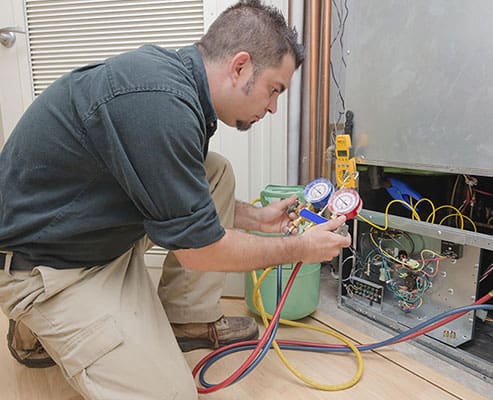
During a professional service appointment, technicians can inspect these components to identify early signs of trouble. Small issues such as worn belts, clogged filters, refrigerant leaks or failing motors can often be resolved quickly when caught early. However, if left unaddressed, these seemingly minor problems can escalate into major mechanical failures that require expensive emergency repairs or full system replacements.
Preventive maintenance significantly reduces the likelihood of breakdowns. By identifying potential problems before they escalate, building managers can keep their HVAC systems operating reliably during peak demand periods.
Maximizing Energy Efficiency
Energy efficiency is another critical factor that makes pre-summer HVAC maintenance so important for commercial properties. HVAC systems account for a large portion of a building’s energy consumption, often representing 40 percent or more of a facility’s total energy use. When equipment is poorly maintained, it must work harder to deliver the same level of cooling, which increases energy consumption and drives up utility costs.
Routine maintenance helps restore systems to optimal operating conditions. Technicians clean condenser coils, replace air filters, check refrigerant levels and calibrate thermostats to ensure the system is functioning efficiently. These adjustments allow HVAC equipment to operate at peak performance, reducing energy waste and lowering operating costs.
For large commercial facilities with multiple rooftop units or centralized systems, even small efficiency improvements can translate into significant financial savings over the course of a summer season. By scheduling service early, property managers can avoid the spike in energy costs that often accompanies inefficient HVAC performance.
Protecting Equipment Lifespan
Commercial HVAC systems represent a significant capital investment. Depending on the size and complexity of the system, replacing HVAC equipment can cost tens or even hundreds of thousands of dollars. Regular maintenance plays a crucial role in protecting that investment by extending the lifespan of key components.
When HVAC systems operate without proper maintenance, excessive strain is placed on critical parts such as compressors and motors. Dirty coils reduce heat transfer efficiency, forcing compressors to work harder. Restricted airflow from clogged filters can overheat motors and reduce system performance. Over time, these stresses shorten the operational lifespan of the equipment.
Preventive maintenance helps ensure that systems run smoothly and efficiently, minimizing unnecessary strain on mechanical components. By addressing small issues early and maintaining proper airflow, lubrication and refrigerant balance, technicians can significantly extend the life of HVAC equipment. This not only delays costly replacements but also maximizes the return on investment for building owners.
Maintaining Indoor Comfort and Productivity
Comfort is essential in any commercial environment. Employees, tenants, customers and visitors expect indoor spaces to remain cool and comfortable during the summer months. When HVAC systems struggle or fail, indoor temperatures can rise quickly, creating uncomfortable and sometimes unsafe conditions.
In office environments, poor temperature control can negatively impact employee productivity and morale. Studies have shown that uncomfortable temperatures can reduce concentration, increase fatigue and lower overall workplace performance. In retail settings, uncomfortable indoor environments may discourage customers from staying longer or returning in the future.
For facilities such as healthcare buildings, laboratories or data centers, temperature control is even more critical. Sensitive equipment, medications and technology often require tightly controlled environments to function properly. A sudden HVAC failure in these settings can lead to operational disruptions or costly damage.
Scheduling HVAC service before summer ensures systems are fully prepared to maintain consistent indoor temperatures and proper ventilation. This proactive approach helps building operators create comfortable environments that support productivity and customer satisfaction.
Improving Indoor Air Quality
Indoor air quality is a growing concern in commercial buildings, especially in spaces with high occupancy or limited ventilation. HVAC systems play a central role in filtering airborne particles, regulating humidity and circulating fresh air throughout a building.
When filters become clogged or ventilation systems are not properly maintained, indoor air quality can deteriorate. Dust, allergens and pollutants may accumulate in ductwork and circulate throughout the building. Poor air quality can contribute to respiratory issues, allergic reactions and general discomfort for occupants.
During a pre-summer service visit, HVAC technicians inspect air filtration systems, replace filters and check ventilation components to ensure proper airflow. In some cases, technicians may also recommend upgrades such as high-efficiency filters or air purification technologies to further improve air quality.
Maintaining clean and efficient HVAC systems helps ensure that indoor air remains healthy and comfortable for everyone inside the building.
Avoiding Peak-Season Service Delays
Another often-overlooked benefit of scheduling HVAC maintenance before summer is avoiding the rush of peak-season service requests. Once temperatures begin to climb, HVAC companies experience a surge in emergency calls from buildings experiencing cooling issues.
During this busy period, scheduling service can become more difficult, and response times may be longer. Emergency repairs also tend to be more expensive than routine maintenance visits.
By scheduling service in the spring or early summer, building owners can secure convenient appointment times and ensure their systems receive thorough inspections before demand peaks. This proactive approach helps avoid the stress and disruption that often accompany mid-summer HVAC emergencies.
Ensuring Compliance and Safety
Many commercial HVAC systems must meet regulatory standards related to energy efficiency, refrigerant management and indoor air quality. Regular maintenance helps ensure that systems remain compliant with these regulations while operating safely.
Technicians can inspect electrical connections, safety controls and refrigerant levels to verify that equipment is functioning within manufacturer specifications. Identifying potential safety hazards early helps reduce the risk of equipment damage, fire hazards or environmental concerns related to refrigerant leaks.
For property managers overseeing multiple buildings, maintaining compliance across all facilities is an important part of responsible building management. Routine HVAC service plays a key role in meeting these obligations.
Creating a Long-Term Maintenance Strategy
Scheduling HVAC service before summer should not be viewed as a one-time task. Instead, it should be part of a comprehensive preventive maintenance strategy designed to keep building systems operating efficiently year-round.
Many commercial property owners choose to establish maintenance agreements with professional HVAC service providers. These agreements typically include scheduled inspections, seasonal tune-ups and priority service when repairs are needed. Having a structured maintenance plan helps ensure systems receive consistent attention and reduces the likelihood of unexpected issues.
A well-designed maintenance strategy also allows technicians to develop a deeper understanding of a building’s HVAC infrastructure. Over time, service providers can identify performance trends, recommend upgrades and help building owners plan for future equipment replacements.
Preparing Commercial Buildings for Summer Success
As summer approaches, commercial HVAC systems face their most demanding season. Waiting until problems appear can lead to costly repairs, uncomfortable indoor environments and disruptions to daily operations. Proactive maintenance offers a far more effective solution.
By scheduling HVAC service before temperatures climb, building owners can prevent breakdowns, improve energy efficiency, extend equipment lifespan and maintain comfortable indoor environments. Regular service also supports healthier indoor air quality and helps facilities avoid the scheduling delays and high costs associated with peak-season emergencies.
For commercial property managers, the message is clear: preparation is key. Taking the time to inspect and maintain HVAC systems before summer arrives is one of the smartest decisions building owners can make. With the right maintenance plan in place, commercial buildings can stay cool, efficient and comfortable throughout the hottest months of the year.
Summer is looming. Don’t wait to service your HVAC and cooling systems. Your wallets will thank you. Partner with NRI today for all your needs!
About Nationwide Refrigeration, Inc.
Nationwide Refrigeration, Inc. (NRI) is an employee-owned company providing expert commercial refrigeration, HVAC and ice machine services across Washington, D.C., Maryland and Virginia since 1974. Known for its commitment to doing the job right the first time and the right thing every time, NRI offers emergency service from EPA-certified technicians and supports over 160 equipment brands. In 2020, NRI became fully employee-owned, reinforcing its dedication to quality, integrity and long-term customer relationships. The company’s strong, people-first culture continues to drive its reputation for reliability and resilience. For more information, please visit nriusa.com.