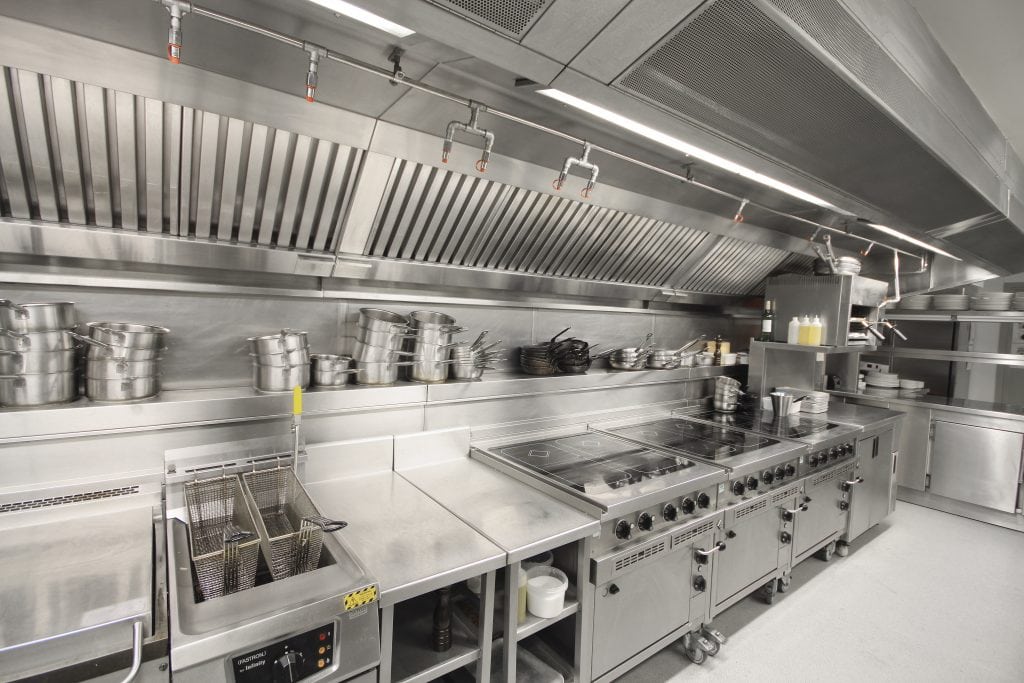
Serving Fresh Air: How Smart HVAC Solutions Drive Food Service Success
From quick-service restaurants and commercial kitchens to full-service dining establishments, the food service industry demands strict control of indoor temperatures, air quality and ventilation. These elements don’t just affect comfort—they directly impact health, food safety, equipment performance, employee productivity and customer satisfaction. That’s why having proper and efficient HVAC (Heating, Ventilation, and Air Conditioning) systems in place is absolutely vital.
Let’s explore the key reasons why HVAC systems are mission-critical for food service operations and how efficiency upgrades and regular maintenance can lead to long-term savings and smoother operations.
1. Temperature Control Is Crucial for Health & Safety
One of the most obvious reasons food service businesses need robust HVAC systems is to maintain safe and comfortable temperatures for both people and food.
- Food Safety Compliance: Restaurants and food processing areas must maintain temperatures that meet local health codes. Improper temperature control can lead to spoilage, bacterial growth, and contamination—opening the door to costly fines or, worse, customer illnesses.
- Employee Safety: Kitchen environments often involve intense heat from ovens, stoves, fryers, and grills. Without proper HVAC systems to exhaust hot air and circulate fresh, cool air, these conditions can quickly become dangerous, leading to heat stress or exhaustion.
- Customer Comfort: In dining areas, especially during peak hours, having an efficient air conditioning system is essential for guest satisfaction. An overly hot or stuffy environment can turn off diners, leading to poor reviews and lost revenue.
2. Proper Ventilation Reduces Health Risks and Odors
In food service environments, especially kitchens, cooking fumes, smoke, grease-laden vapors, and heat all need to be controlled and vented safely out of the building. That’s where effective HVAC ventilation systems come in.
- Airborne Contaminant Removal: High-quality ventilation systems filter out smoke, carbon monoxide, excess moisture and volatile organic compounds (VOCs), making the workspace safer for employees.
- Grease and Odor Control: Cooking produces airborne grease particles that can settle on walls and equipment, creating sanitation hazards. Good HVAC systems with high-efficiency filters and exhaust fans keep kitchens cleaner and reduce lingering food odors in dining areas.
- Compliance with Fire Codes: Ventilation systems, including hoods and ductwork, must meet strict fire code requirements. HVAC contractors specializing in food services ensure compliance by installing proper fire suppression systems and regular duct cleaning protocols.
3. Efficient HVAC Reduces Energy Costs
Food service businesses are among the highest energy consumers per square foot in the commercial sector. HVAC systems—especially outdated or improperly maintained ones—can be one of the biggest culprits when it comes to energy waste.
- Energy-Efficient Equipment: Newer HVAC systems are designed with energy efficiency in mind, using less power to produce more consistent climate control. Energy Star-rated equipment can significantly cut utility bills while reducing environmental impact.
- Zoning Capabilities: Modern HVAC systems can be configured to offer zoned climate control—meaning dining areas, kitchens and storage rooms can be regulated independently. This avoids overcooling or overheating spaces that don’t need it, saving both energy and money.
- Preventative Maintenance: Regular HVAC service helps spot issues early—like clogged filters, refrigerant leaks or dirty coils—that could otherwise cause systems to work harder and drive up utility bills
4. HVAC Impacts Equipment Longevity
Food service environments depend on more than just ovens and fryers—they also rely heavily on walk-in coolers, freezers and prep areas that require consistent ambient temperatures to work efficiently.
- Protecting Refrigeration Systems: If HVAC systems fail to remove excess heat and humidity, refrigeration units have to work harder to maintain low internal temperatures. Over time, this leads to mechanical wear and tear, breakdowns and higher maintenance costs.
- Preserving Kitchen Infrastructure: Uncontrolled humidity can also lead to rust, corrosion, and premature deterioration of kitchen surfaces, walls and ceiling tiles. A well-designed HVAC system helps maintain optimal humidity levels to extend the life of expensive commercial kitchen investments.
5. Employee Productivity and Morale
A kitchen that feels like a sauna or a dining area that’s constantly drafty can affect more than just comfort—it affects employee morale and productivity.
- Comfort Enhances Performance: Employees who work in comfortable, well-ventilated environments tend to be more productive, less fatigued and less prone to heat-related issues. This leads to faster service, higher food quality and fewer sick days.
- Staff Retention: In an industry with high turnover rates, providing a healthy and comfortable working environment can be a differentiator. A well-maintained HVAC system is one of the less obvious—but no less important—ways to improve staff satisfaction.
6. Indoor Air Quality Matters More Than Ever
Post-COVID, indoor air quality (IAQ) is top of mind for both diners and health departments. Ventilation and filtration systems are now being judged not only on performance but also on how well they mitigate airborne pathogens.
- Air Filtration and Circulation: HVAC systems equipped with HEPA filters or UV sterilization can improve IAQ by capturing and neutralizing airborne viruses, bacteria and mold spores.
- Customer Confidence: Diners are more health-conscious than ever and restaurants that can demonstrate commitment to high air quality will stand out as safer and more responsible businesses.
- Regulatory Compliance: Local municipalities and health boards may soon require air quality assessments and mitigation strategies. Investing in high-efficiency HVAC systems today could help future-proof your business from new regulations.
7. Emergency Preparedness and System Redundancy
Food service businesses can’t afford HVAC downtime. A broken air conditioner in the middle of a summer dinner rush or a failed ventilation system during breakfast service can halt operations and tarnish your brand.
- Backup Systems: Redundant HVAC systems or backup ventilation fans are smart investments for food operations that depend on 24/7 climate control.
- Real-Time Monitoring: Smart HVAC systems allow facility managers to remotely monitor performance, receive alerts when something goes wrong and diagnose issues before they become catastrophic.
- Disaster Recovery: A proactive HVAC maintenance and emergency plan reduces downtime in the event of a system failure. Partnering with a responsive service provider ensures fast fixes to keep the business running.
8. How to Ensure HVAC Success in Food Service
With so much riding on the performance of HVAC systems, it’s critical for food service operators to approach planning and maintenance with the same attention they give to food quality or customer service.
Here are some best practices:
- Work with HVAC contractors that specialize in food service environments.
- Design for flexibility and zoning to adapt to fluctuating customer volumes.
- Invest in regular cleaning and filter replacement.
- Upgrade legacy systems to modern, energy-efficient models.
- Use smart thermostats and remote monitoring for control and diagnostics.
9. Partnering with the Right HVAC Provider Makes All the Difference
To truly maximize the value of your HVAC investment, it’s important to work with professionals who understand the unique needs of the food service industry.
Look for HVAC partners who offer:
- Comprehensive design/build services for new kitchens or remodels.
- Preventative maintenance programs tailored to kitchen usage patterns.
- Emergency service availability for minimal disruption.
- Compliance expertise with health, fire, and building codes.
- Energy audits and ROI-driven upgrade strategies.
Working with a trusted HVAC provider isn’t just a line item in your budget—it’s a strategic move that protects your business, staff and customers.
Final Thoughts
HVAC systems in the food service industry are more than just utilities — they’re the unseen backbone of successful operations. Whether it’s ensuring safe food storage, keeping guests comfortable, reducing energy waste or improving employee working conditions, the impact of HVAC is felt in every corner of the business.
Proper HVAC planning and efficient system design are investments that pay off with safer environments, lower energy bills, happier staff, and more satisfied customers. For restaurants, cafeterias, and commercial kitchens looking to grow and thrive, HVAC should be a top priority — not an afterthought.
How NRI USA Can Help
When it comes to reliable, energy-efficient HVAC solutions tailored for the food service industry, NRI is a trusted partner with proven expertise. Thes company specialize in comprehensive HVAC, plumbing and building automation services, NRI offers customized maintenance plans, 24/7 emergency response and energy management strategies to keep kitchens running smoothly and efficiently. The focus is on smart technologies and sustainable solutions ensures businesses stay compliant and cost-effective.
NRI is a leader in commercial refrigeration and HVAC services, offering expert support for walk-in coolers, freezers, ice machines and complete system installations. Its technicians are trained to handle high-demand environments like restaurants and commercial kitchens, minimizing downtime and maximizing system lifespan. Together, these companies offer a complete support system for food service operators looking to optimize comfort, efficiency and compliance across their facilities.
Contact NRI immediately for all your commercial refrigeration needs, hot-side kitchen and cooling essential services!
About Nationwide Refrigeration, Inc.
Nationwide Refrigeration, Inc. (NRI) is a family- and employee-owned company providing expert commercial refrigeration, HVAC, and ice machine services across Washington, D.C., Maryland, and Virginia since 1974. Known for its commitment to doing the job right the first time, NRI offers 24/7 service from EPA-certified technicians and supports over 160 equipment brands. In 2020, NRI became fully employee-owned, reinforcing its dedication to quality, integrity, and long-term customer relationships. The company’s strong, people-first culture continues to drive its reputation for reliability and resilience. For more information, please visit nriusa.com.