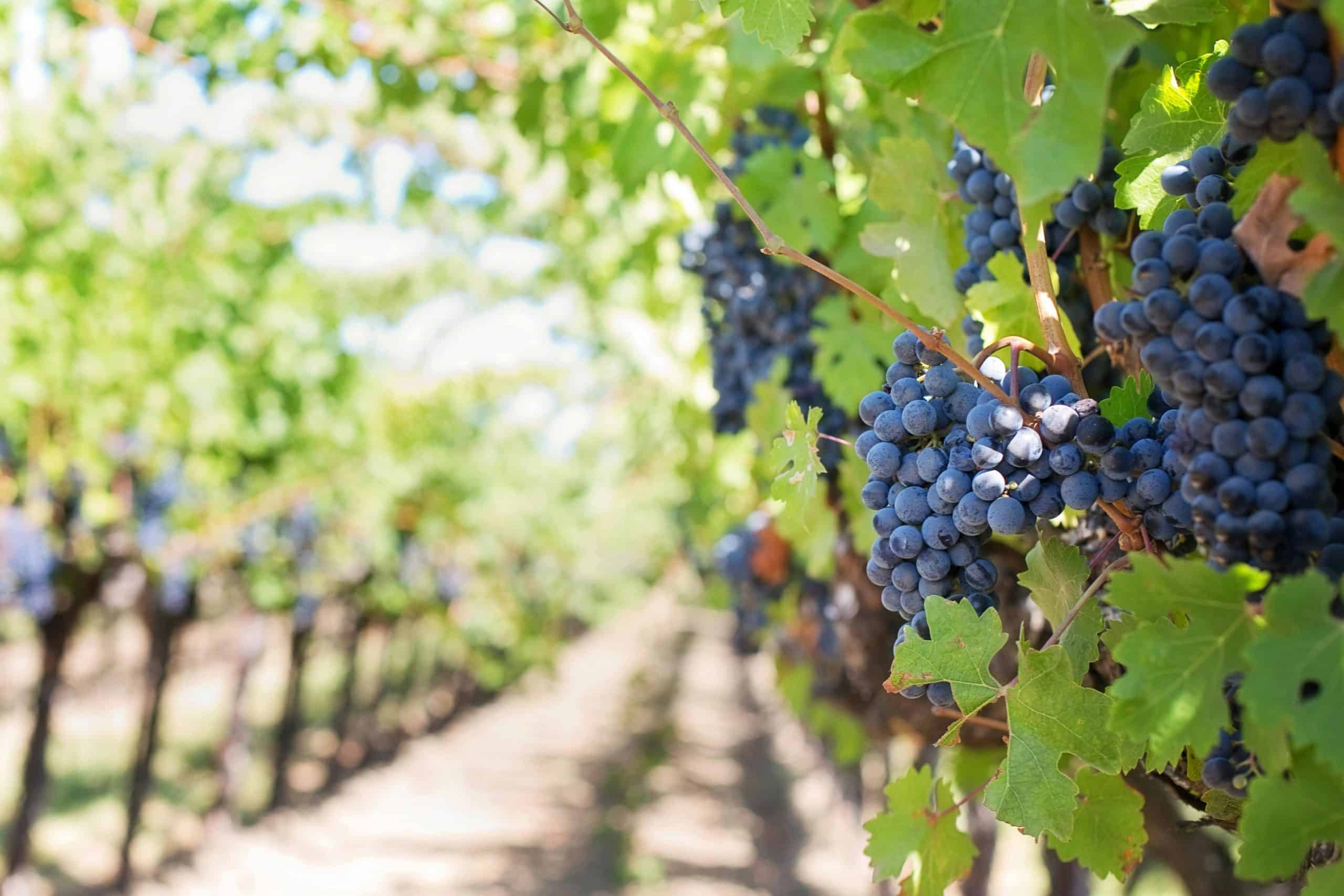
Why HVAC Systems Are Essential for Vineyard Success in Virginia, DC and Maryland
The Mid-Atlantic wine industry has experienced remarkable growth over the past two decades, with vineyards and wineries across Virginia, Washington DC and Maryland (DMV) gaining national recognition for quality and innovation. Behind every successful vintage lies a critical but often overlooked factor: HVAC systems. In vineyard tasting rooms, production facilities, barrel storage areas and wine cellars, climate control plays a defining role in product quality, operational efficiency, customer experience and long-term profitability. Because the Mid-Atlantic region experiences humid summers, cold winters, and frequent seasonal swings, HVAC systems are not simply a comfort feature; they are a core component of winery infrastructure. This blog explores why HVAC systems are essential to vineyard success across the DMV area, highlighting their impact on winemaking, storage, energy efficiency, visitor experience and regulatory compliance.
Climate Challenges in the Mid-Atlantic Wine Region
Unlike more predictable Mediterranean wine climates, the Mid-Atlantic presents winemakers with fluctuating temperature and humidity patterns. Summers can be hot and humid, while winters often bring freezing conditions. These variations directly affect grape processing timelines, fermentation stability and wine storage conditions.
Temperature instability can accelerate chemical reactions in wine, potentially damaging aroma, flavor balance and aging potential. Even modest fluctuations may cause oxidation or premature aging, compromising the final product. In addition, high humidity can introduce mold risks in barrel rooms and storage areas, while low humidity may dry corks, allowing oxygen to enter bottles and degrade wine quality. HVAC systems therefore serve as the winery’s environmental stabilizer, maintaining consistent conditions regardless of outdoor weather.
Protecting Wine Quality Through Temperature Control
One of the most critical functions of HVAC systems in wineries is temperature regulation during production and storage. Wine aging typically requires temperatures between roughly 50°F and 59°F, with minimal fluctuations to prevent oxidation and maintain proper maturation. Production areas often require slightly warmer but still controlled conditions to support fermentation and handling processes. Without effective HVAC systems may experience some of the following issues:
- Fermentation can become inconsistent
- Aromatic compounds may degrade
- Yeast activity may be disrupted
- Wines may develop off-flavors
Research shows that controlled fermentation environments can significantly reduce batch variability and improve flavor development, reinforcing the direct connection between HVAC performance and wine quality. For vineyards across Virginia and Maryland, where harvest season often coincides with late-summer heat, HVAC-driven cooling is especially important to prevent grapes from overheating before fermentation begins.
Managing Humidity to Prevent Loss and Spoilage
Humidity control is equally important in winery environments. Optimal relative humidity typically falls between 60% and 70%, balancing cork integrity, evaporation rates and mold prevention.
When humidity falls too low:
- Corks shrink and allow oxygen infiltration
- Barrel evaporation increases (“angel’s share”)
- Wine strength and flavor balance may shift
When humidity is too high:
- Mold can develop on corks and labels
- Structural damage may occur in storage areas
- Equipment corrosion risks increase
Advanced HVAC systems with integrated humidification and dehumidification capabilities help wineries maintain these narrow environmental targets. This is particularly important in the Mid-Atlantic, where summer humidity can spike dramatically and winter heating systems can create excessively dry indoor air.
Supporting Barrel Rooms and Aging Spaces
Barrel rooms present unique HVAC challenges due to the porous nature of oak and the sensitivity of aging wine. Temperature and humidity must remain stable to minimize evaporation and preserve flavor concentration. If humidity drops below recommended levels, accelerated evaporation can reduce wine volume and alter alcohol balance. Conversely, excessive humidity can encourage microbial growth and surface mold.
Because many Virginia and Maryland wineries operate in repurposed barns, agricultural buildings or historic structures, HVAC retrofits are often necessary to create controlled aging environments without compromising building integrity.
Improving Operational Efficiency and Harvest Flexibility
HVAC systems also provide operational advantages that extend beyond quality control.
Cold storage enabled by climate-controlled environments allows wineries to hold harvested grapes at low temperatures, slowing enzymatic activity and preserving freshness until processing begins. This flexibility is invaluable during busy harvest periods when processing capacity may be limited.
Benefits include:
- Reduced pressure to process grapes immediately
- Improved scheduling and labor efficiency
- Lower spoilage rates
- Greater experimentation with fermentation techniques
For smaller wineries across the Mid-Atlantic, this flexibility can significantly reduce labor stress and improve production consistency.
Enhancing the Tasting Room Experience
Modern vineyards in Virginia and surrounding areas function not only as production facilities but also as hospitality destinations. Tasting rooms, event spaces and wedding venues depend heavily on HVAC systems to maintain guest comfort.
High summer humidity or inadequate ventilation can diminish the visitor experience, discourage longer stays and negatively affect wine sales. Proper HVAC design ensures:
- Comfortable indoor temperatures
- Controlled humidity for wine displays
- Improved indoor air quality
- Noise reduction for events and tastings
Because many Mid-Atlantic vineyards rely on tourism and weekend traffic, HVAC reliability directly influences revenue.
Energy Efficiency and Sustainability Considerations
Energy efficiency is an increasing priority for vineyards striving to balance operational costs with environmental responsibility. HVAC systems often represent one of the largest energy expenses in winery operations. Modern climate-control solutions incorporate:
- Zoned temperature management
- High-efficiency compressors
- Smart environmental monitoring
- Air circulation technologies that reduce cooling demand
Well-designed systems can maintain stable winery conditions while minimizing electricity consumption; a particularly important consideration for smaller, family-owned vineyards.
Regulatory Compliance and Worker Safety
HVAC systems also contribute to regulatory compliance and workplace safety. Fermentation produces carbon dioxide, which can accumulate in enclosed spaces and pose risks to workers if ventilation is inadequate. Proper HVAC ventilation helps:
- Remove CO₂ buildup
- Maintain safe working conditions
- Control odors and airborne contaminants
- Protect sensitive equipment
In production environments where cleaning processes generate moisture spikes, dehumidification is essential to prevent condensation, equipment damage and microbial growth.
The Strategic Role of HVAC in Vineyard Growth
As vineyards across the DMV area continue to expand, HVAC systems are becoming strategic investments rather than basic infrastructure. Reliable climate control supports:
- Premium wine production
- Brand reputation and consistency
- Hospitality growth
- Long-term asset protection
- Reduced waste and higher profitability
In a region where climate variability presents constant challenges, HVAC systems provide the stability necessary for vineyards to compete with established wine regions.
Conclusion
HVAC systems are fundamental to vineyard success in the Mid-Atlantic wine region. From protecting delicate fermentation processes to preserving aging wines, managing humidity, enhancing visitor comfort and improving operational flexibility, climate control influences nearly every aspect of winery performance.
For vineyards in Virginia, Washington DC and Maryland, where seasonal extremes and humidity fluctuations are the norm, investing in well-designed HVAC solutions is not optional. It is essential for maintaining wine quality, ensuring operational efficiency and delivering the memorable experiences that keep visitors returning vintage after vintage.
About Nationwide Refrigeration, Inc.
Nationwide Refrigeration, Inc. (NRI) is an employee-owned company providing expert commercial refrigeration, HVAC and ice machine services across Washington, D.C., Maryland and Virginia since 1974. Known for its commitment to doing the job right the first time and the right thing every time, NRI offers emergency service from EPA-certified technicians and supports over 160 equipment brands. In 2020, NRI became fully employee-owned, reinforcing its dedication to quality, integrity and long-term customer relationships. The company’s strong, people-first culture continues to drive its reputation for reliability and resilience. For more information, please visit nriusa.com.