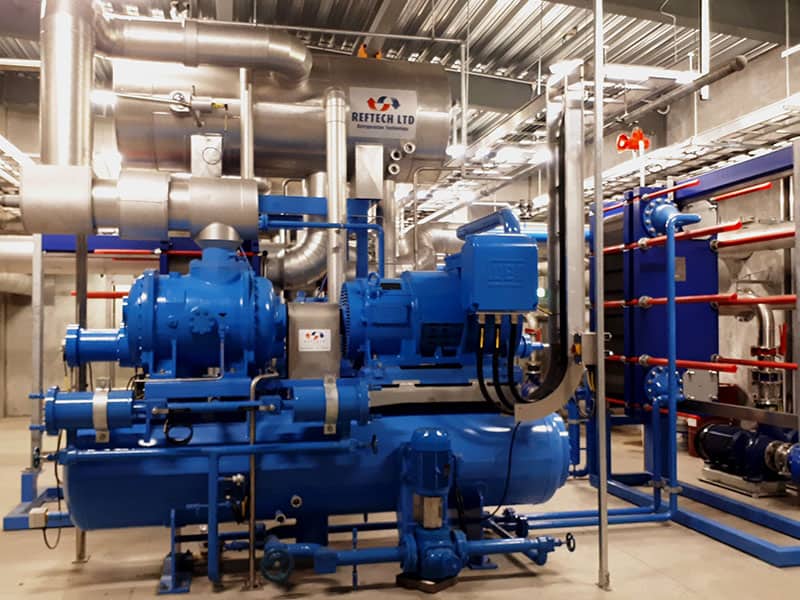
The Critical Role of HVAC Systems in Hospitals
Hospitals are among the most complex buildings in the world. They operate 24 hours a day, house vulnerable patients, and must maintain strict hygiene and environmental standards to ensure safety and effective care. While the focus of healthcare facilities is naturally on doctors, nurses and medical technology, there is an often-overlooked system that plays a crucial role in patient outcomes and staff safety: the heating, ventilation and air conditioning system.
HVAC systems are not just about comfort in hospitals, they are essential infrastructure that supports infection control, air quality, regulatory compliance and operational efficiency. In healthcare environments, HVAC systems function as a silent partner in patient care, maintaining safe indoor conditions that protect both patients and healthcare professionals.
Why HVAC Systems Matter in Healthcare Facilities
Unlike residential or commercial buildings, hospitals require extremely precise environmental control. Patients often have weakened immune systems, surgical procedures require sterile environments, and medical equipment can be sensitive to temperature fluctuations. HVAC systems regulate temperature, humidity and airflow while filtering contaminants from the air.
Properly designed hospital HVAC systems ensure that indoor environments remain stable and controlled. These systems work continuously to deliver clean air, prevent the spread of pathogens and maintain conditions suitable for both patient care and medical operations.
Without reliable HVAC infrastructure, hospitals would face increased risks of infection, equipment failure, regulatory violations and decreased patient comfort. In many ways, HVAC systems are just as critical as any piece of medical technology.
Infection Control and Airborne Contaminants
One of the most important roles of HVAC systems in hospitals is infection control. Airborne pathogens, such as bacteria, viruses and fungal spores, can easily spread through poorly ventilated environments. In healthcare facilities, this risk is amplified because many patients are already vulnerable to infection.
Hospital HVAC systems are designed to minimize this risk through advanced filtration and airflow management. High-efficiency particulate air (HEPA) filters are often used to capture microscopic particles, including many infectious agents. These filters can remove up to 99.97% of airborne particles that are 0.3 microns in size.
Beyond filtration, HVAC systems control airflow direction to prevent contaminated air from spreading between rooms. Isolation rooms for infectious patients typically use negative air pressure to ensure that contaminated air stays inside the room rather than escaping into hallways or other patient areas.
Conversely, operating rooms and sterile environments often rely on positive air pressure. This pushes clean air outward, preventing contaminants from entering the space. These pressure relationships are carefully engineered and constantly monitored to maintain infection control standards.
Maintaining Temperature and Humidity Control
Temperature and humidity levels inside hospitals must remain within strict ranges to ensure patient safety and medical effectiveness. HVAC systems are responsible for maintaining these conditions throughout the facility.
Temperature control is critical for several reasons. Patients recovering from surgery or illness may be particularly sensitive to temperature changes. Medical equipment, medications and laboratory samples can also require stable conditions to function properly.
Humidity control is equally important. Excess humidity can promote mold growth and bacterial development, while air that is too dry can irritate respiratory systems and contribute to static electricity that can interfere with medical equipment.
Operating rooms, for example, often require humidity levels between 20% and 60% to reduce the risk of microbial growth and ensure sterile conditions. Maintaining these precise levels requires sophisticated HVAC design and constant monitoring.
Specialized Environments Within Hospitals
Hospitals are not uniform spaces. Each department has unique environmental requirements that HVAC systems must support. These specialized areas often demand highly customized airflow, filtration and pressure systems.
Operating rooms require extremely clean air and controlled airflow patterns to minimize the risk of contamination during surgery. Laminar airflow systems are often used to deliver a steady stream of filtered air directly over the surgical area.
Isolation rooms require dedicated ventilation systems that safely remove contaminated air from the building. These rooms are designed to protect both patients and healthcare workers from infectious diseases.
Laboratories and pharmaceutical storage areas must maintain specific temperature and humidity levels to preserve samples and medications. Imaging rooms housing MRI or CT equipment may require cooling systems to prevent equipment overheating.
Even hospital pharmacies rely on HVAC systems to maintain sterile compounding environments. These rooms must meet strict air cleanliness standards to prevent contamination in medications prepared for patients. Because of these varying needs, hospital HVAC systems are often far more complex than those found in other building types.
Indoor Air Quality and Patient Recovery
Indoor air quality (IAQ) has a direct impact on patient health and recovery times. Clean air helps reduce respiratory irritation, lowers the risk of infection and creates a more comfortable healing environment.
Poor air quality can lead to increased rates of hospital-acquired infections (HAIs), which affect hundreds of thousands of patients each year. These infections can prolong hospital stays, increase healthcare costs and, in severe cases, lead to life-threatening complications.
By continuously filtering air and replacing stale air with fresh outdoor air, HVAC systems help maintain high air quality standards. Ventilation rates in hospitals are typically much higher than in commercial buildings, ensuring a constant supply of clean air.
Better air quality benefits not only patients but also healthcare staff. Doctors, nurses and technicians spend long hours inside hospital environments and proper ventilation helps reduce fatigue, headaches and respiratory issues caused by poor indoor air conditions.
Kitchen and Cafeteria Services
HVAC systems also play a crucial role in hospital kitchens and cafeterias, where proper ventilation and temperature control are essential for both food safety and staff comfort. Commercial kitchens generate significant heat, smoke, grease particles and odors during food preparation, all of which must be effectively managed to maintain a safe environment. Specialized exhaust hoods and ventilation systems remove airborne grease and heat, while makeup air systems replace the exhausted air to maintain balanced airflow throughout the facility.
Proper HVAC design in these areas also helps maintain sanitary conditions required by health regulations, prevents cooking odors from spreading into patient areas and ensures cafeteria dining spaces remain comfortable for patients, visitors and staff. In a hospital setting, where food service operates continuously and serves large numbers of people each day, reliable HVAC performance is essential for maintaining both operational efficiency and public health standards.
Energy Efficiency and Sustainability
Hospitals consume large amounts of energy, and HVAC systems account for a significant portion of that usage. Because these systems run continuously, improving HVAC efficiency can dramatically reduce operational costs and environmental impact.
Modern hospitals are increasingly investing in energy-efficient HVAC technologies such as variable air volume (VAV) systems, smart sensors and automated building management systems. These technologies allow hospitals to adjust airflow and temperature based on real-time conditions rather than operating at full capacity at all times.
Heat recovery systems are another innovation that improves efficiency. These systems capture waste heat from exhaust air and reuse it to warm incoming air, reducing the need for additional energy.
Energy-efficient HVAC systems not only lower costs but also support sustainability goals. Many healthcare organizations are working toward reducing carbon emissions while maintaining high standards of patient care.
Regulatory Compliance and Safety Standards
Hospitals must adhere to strict regulatory guidelines governing ventilation and air quality. Organizations such as the American Society of Heating, Refrigerating and Air-Conditioning Engineers (ASHRAE), the Centers for Disease Control and Prevention (CDC) and the Facility Guidelines Institute (FGI) establish standards that healthcare facilities must follow.
These guidelines specify requirements for air changes per hour (ACH), filtration levels, humidity control and pressure relationships between different hospital spaces. Failure to comply with these standards can result in serious consequences, including regulatory penalties and increased patient risk. For this reason, hospital HVAC systems are regularly inspected, tested and maintained to ensure compliance. Proper documentation and monitoring systems are also essential. Many hospitals use building automation systems to track temperature, humidity and airflow in real time, allowing facilities teams to quickly address any issues.
Maintenance and System Reliability
Given their importance, hospital HVAC systems must operate reliably at all times. Any interruption in airflow or temperature control can disrupt medical procedures and compromise patient safety.
Preventive maintenance plays a critical role in ensuring system reliability. Regular inspections, filter replacements and performance testing help identify potential issues before they become serious problems. Hospitals often employ dedicated facilities management teams responsible for monitoring HVAC performance around the clock. Redundant systems and backup equipment are also common, ensuring that ventilation and cooling continue even during equipment failures or power outages.
Emergency preparedness is another key consideration. During events such as disease outbreaks or natural disasters, hospitals may need to quickly adjust ventilation systems to accommodate increased patient loads or isolation requirements.
The Future of Hospital HVAC Technology
As healthcare facilities evolve, so do the technologies used to manage their environments. Innovations in HVAC design are helping hospitals improve air quality, energy efficiency and infection control.
Advanced air purification technologies, including ultraviolet (UV) germicidal irradiation, are becoming more common in hospital ventilation systems. UV light can deactivate microorganisms that pass through HVAC ducts, adding an additional layer of infection control.
Smart building systems are also transforming HVAC management. Sensors and data analytics allow facilities managers to monitor environmental conditions across entire hospital campuses in real time. This technology enables faster responses to problems and more efficient system operation.
Artificial intelligence and predictive maintenance tools are also emerging, allowing hospitals to detect system inefficiencies or equipment failures before they occur. These innovations will continue to improve the safety, sustainability and reliability of hospital environments in the years ahead.
Proper HVAC Systems in Hospitals are Vital
HVAC systems are an essential yet often invisible component of modern healthcare facilities. Far more than a source of heating and cooling, they play a vital role in infection control, air quality, patient comfort and regulatory compliance.
By maintaining precise environmental conditions, hospital HVAC systems support medical procedures, protect vulnerable patients and create safer workplaces for healthcare professionals. As hospitals continue to evolve, advanced HVAC technologies will remain central to improving patient outcomes and operational efficiency.
In the complex ecosystem of a hospital, where every system contributes to the delivery of care, HVAC infrastructure stands as one of the most important foundations of patient safety. While it may operate quietly behind the scenes, its impact on healthcare is anything but invisible.
About Nationwide Refrigeration, Inc.
Nationwide Refrigeration, Inc. (NRI) is an employee-owned company providing expert commercial refrigeration, HVAC and ice machine services across Washington, D.C., Maryland and Virginia since 1974. Known for its commitment to doing the job right the first time and the right thing every time, NRI offers emergency service from EPA-certified technicians and supports over 160 equipment brands. In 2020, NRI became fully employee-owned, reinforcing its dedication to quality, integrity and long-term customer relationships. The company’s strong, people-first culture continues to drive its reputation for reliability and resilience. For more information, please visit nriusa.com.