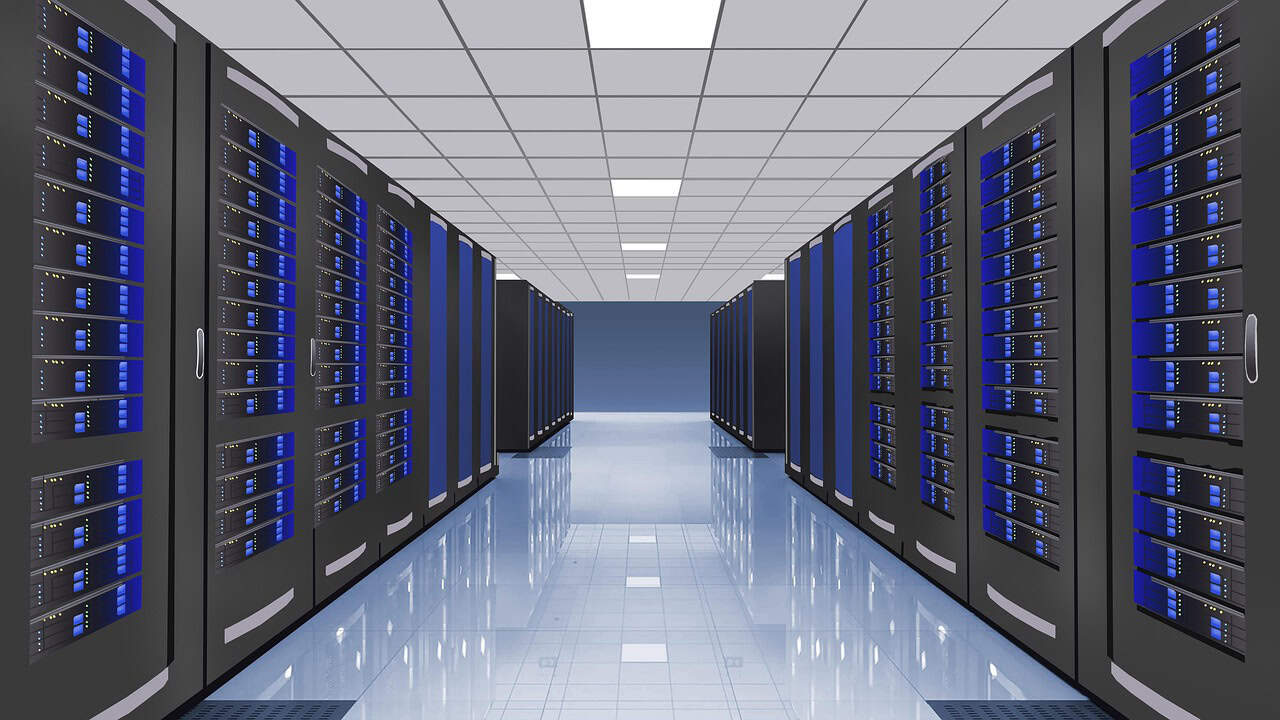
Preventing Downtime Before It Starts: How HVAC Infrastructure Protects Data Centers
In today’s hyperconnected world, data centers are the backbone of nearly every digital interaction, from cloud computing and financial transactions to streaming media and artificial intelligence. While servers, networking hardware and power infrastructure often receive the most attention, one of the most crucial components of a reliable data center is its HVAC system. Without proper temperature and humidity control, even the most advanced IT infrastructure can suffer catastrophic failures, reduced lifespan and costly downtime.
For data center operators, HVAC is not simply a building system, it is mission-critical infrastructure. This blog explores why HVAC systems are indispensable in data centers, the risks of inadequate cooling, emerging industry trends and how Nationwide Refrigeration, Inc. (NRI) provides the expertise and services necessary to maintain optimal operating environments.
Why HVAC Systems Are Mission-Critical in Data Centers
1. Preventing Overheating and Equipment Failure
Servers generate substantial heat during operation. High-density racks can produce heat loads comparable to industrial equipment, and even slight temperature increases can lead to performance throttling or hardware failure. Effective HVAC systems remove heat efficiently, maintaining stable operating temperatures that ensure uninterrupted processing.
Temperature fluctuations can degrade processors, memory modules and storage components over time. Maintaining consistent environmental conditions helps prevent premature equipment replacement and protects capital investments.
2. Ensuring Reliability and Uptime
Downtime is one of the most expensive risks for data centers. A cooling failure can trigger cascading outages, emergency shutdowns or permanent hardware damage. HVAC systems act as a safeguard against these scenarios by providing continuous cooling redundancy and failover capacity.
Modern data centers often implement precision cooling solutions, hot-aisle containment and redundant mechanical systems to maintain uptime. However, these systems require professional installation, monitoring, and maintenance to perform reliably.
3. Managing Humidity and Air Quality
Humidity control is just as important as temperature regulation. Excess humidity can lead to condensation and corrosion, while overly dry air increases the risk of electrostatic discharge. HVAC systems maintain proper humidity levels and filtration to protect sensitive electronics.
Air quality management also prevents particulate buildup on equipment, which can reduce cooling efficiency and increase failure rates.
4. Supporting Energy Efficiency and Sustainability
Cooling represents one of the largest operational expenses in data centers. Poor HVAC design can dramatically increase power consumption and operational costs. Efficient systems reduce energy waste, improve Power Usage Effectiveness (PUE) and contribute to sustainability goals.
As organizations pursue greener operations, optimized HVAC strategies, including economization, advanced airflow management and preventative maintenance. These all play central roles in reducing environmental impact.
The Risks of Poor HVAC Management
Failing to properly design or maintain HVAC systems can lead to serious operational and financial consequences, including:
- Unexpected server shutdowns
- Reduced hardware lifespan
- Increased repair and replacement costs
- Energy inefficiency and higher utility expenses
- Loss of customer trust due to downtime
These risks make proactive HVAC management essential for data center operators.
Emerging Cooling Trends in Data Centers
As computing demands grow, cooling strategies are evolving rapidly. Among some of the most important trends are:
High-Density Cooling Solutions
AI workloads and hyperscale computing environments generate extreme heat densities. This has led to innovations such as liquid cooling, rear-door heat exchangers and in-row cooling systems.
Intelligent Monitoring and Predictive Maintenance
Advanced monitoring tools help detect performance anomalies before failures occur. Predictive maintenance ensures cooling systems operate at peak efficiency while minimizing downtime risk.
Modular and Scalable Cooling
Modern facilities require flexible cooling architectures that scale alongside computing demand. Modular HVAC solutions allow data centers to expand capacity without major infrastructure overhauls.
Sustainability-Focused Cooling
Energy-efficient chillers, free cooling strategies and environmentally responsible refrigerants are becoming industry standards as organizations prioritize sustainability and regulatory compliance.
How Nationwide Refrigeration, Inc. Supports Data Centers
For organizations operating mission-critical environments, partnering with an experienced HVAC provider is essential. Nationwide Refrigeration, Inc. (NRI) has built a strong reputation across Virginia, Washington, D.C., and Maryland (DMV) for delivering commercial refrigeration and HVAC installation, service and maintenance since 1974.
1. Expert Installation and System Design
Proper HVAC installation is the foundation of reliable data center cooling. NRI provides evaluation and analysis of commercial equipment needs for new installations and upgrades, ensuring systems are correctly sized and configured for performance and efficiency. Technicians are EPA-certified and experienced with a wide range of equipment brands, enabling tailored solutions for complex environments like data centers.
2. Preventative Maintenance Programs
Preventative maintenance is especially critical in data centers, where minor HVAC issues can escalate quickly. NRI offers maintenance contracts designed to improve efficiency, lower operating costs and identify potential failures before they cause downtime. Routine inspections, performance optimization and proactive repairs help ensure continuous cooling reliability.
3. Rapid Service and Emergency Support
Because cooling failures can become emergencies within minutes, responsive service is essential. NRI provides extended hours and emergency HVAC support, giving data center operators confidence that issues will be addressed quickly.
4. Optimization for Energy Efficiency
Well-maintained HVAC systems run more efficiently and reduce energy expenses. NRI technicians develop familiarity with client equipment over time, allowing them to optimize system settings and improve operational efficiency. This optimization directly contributes to lower energy consumption and improved sustainability outcomes.
5. Long-Term Partnership Approach
As an employee-owned company focused on quality installation, service and maintenance, NRI emphasizes reliability and customer-focused solutions. Its long-standing experience in commercial refrigeration and HVAC makes them a valuable partner for organizations that depend on continuous temperature control.
Best Practices for Data Center HVAC Management
To maximize reliability and performance, data center operators should follow several best practices:
- Implement redundant cooling infrastructure
- Monitor temperature and humidity continuously
- Schedule preventative maintenance and system inspections
- Optimize airflow through containment strategies
- Upgrade legacy equipment to improve efficiency
- Partner with experienced HVAC service providers
Working with specialists, such as NRI, helps ensure these best practices are implemented effectively and consistently.
Conclusion
Data centers are the digital engines of modern business, and HVAC systems are the protective shield that keeps them operating safely and efficiently. Effective cooling prevents overheating, ensures uptime, protects hardware investments and supports sustainability goals. As computing density increases and operational demands grow, HVAC reliability becomes even more critical.
NRI plays an essential role in helping organizations maintain dependable cooling infrastructure through expert installation, preventative maintenance, rapid service and efficiency optimization. For data center operators seeking to minimize downtime risk and improve operational performance, partnering with an experienced HVAC provider is not just beneficial; it is essential.
About Nationwide Refrigeration, Inc.
Nationwide Refrigeration, Inc. (NRI) is an employee-owned company providing expert commercial refrigeration, HVAC and ice machine services across Washington, D.C., Maryland and Virginia since 1974. Known for its commitment to doing the job right the first time and the right thing every time, NRI offers emergency service from EPA-certified technicians and supports over 160 equipment brands. In 2020, NRI became fully employee-owned, reinforcing its dedication to quality, integrity and long-term customer relationships. The company’s strong, people-first culture continues to drive its reputation for reliability and resilience. For more information, please visit nriusa.com.