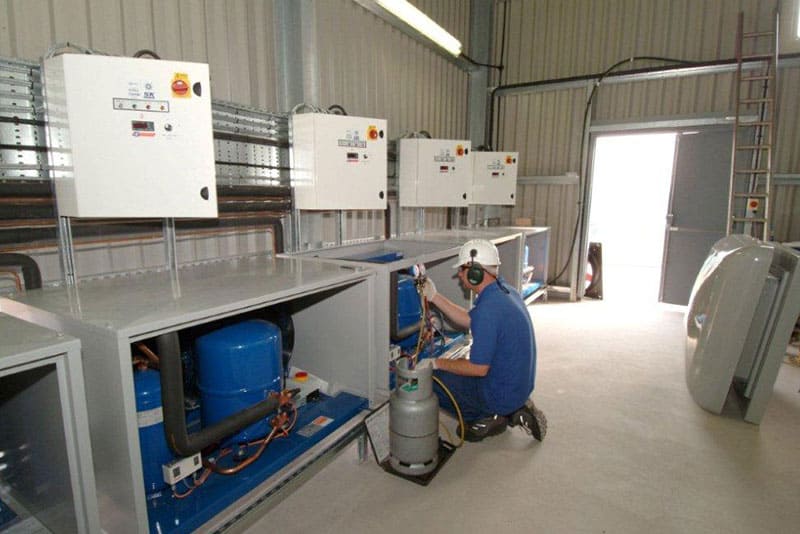
Stationary vs. HVAC vs. Building Engineers: How Their Roles Differ (and How They Work Together)
Modern commercial buildings are complex ecosystems. From climate control and electrical systems to plumbing, safety systems and structural operations, keeping a building running smoothly requires an entire team of specialized professionals. Among the most essential members of that team are stationary engineers, HVAC engineers and building engineers.
At first glance, the titles may sound interchangeable. All three roles work with building systems and mechanical infrastructure, and in many facilities their responsibilities overlap. However, each profession has a distinct focus, skill set and scope of responsibility. Understanding how they differ, and how they collaborate, is key to appreciating the expertise required to operate modern facilities such as hospitals, data centers, universities, office towers and manufacturing plants.
Below is a closer look at each role and how these professionals work together to keep buildings functioning safely and efficiently.
What Is a Stationary Engineer?
Stationary engineers are responsible for operating, maintaining and repairing large mechanical systems that generate power, heat or cooling within a building or industrial facility. Historically, the role evolved from operating steam boilers and stationary engines, which is where the profession gets its name.
Today, stationary engineers manage many of the core systems that keep large facilities running:
- Operating boilers, chillers and turbines
- Monitoring pressure systems and steam distribution
- Maintaining generators and mechanical equipment
- Inspecting systems to ensure compliance with safety regulations
- Diagnosing and repairing mechanical failures
- Monitoring energy usage and system performance
Stationary engineers often work in central plant environments; the mechanical heart of a facility where heating, cooling and power systems are housed. In a hospital or university campus, for example, a stationary engineer may oversee a central energy plant that produces steam for heating and hot water while also operating large chillers that supply cooling across multiple buildings.
Because of the technical complexity and safety implications of these systems, stationary engineers frequently hold state or municipal licenses. In many cities, operating large boilers legally requires a licensed stationary engineer. Stationary engineers focus on large-scale mechanical systems and energy generation within a facility.
What Is an HVAC Engineer?
HVAC engineers specialize in heating, ventilation and air conditioning systems, focusing on designing, maintaining and optimizing the systems responsible for indoor climate control.
While the title “HVAC engineer” sometimes refers to a design engineer who plans HVAC systems for buildings, in operations environments it often refers to professionals responsible for maintaining and troubleshooting HVAC equipment. Typical responsibilities include:
- Installing and maintaining air handling units, chillers and condensers
- Troubleshooting heating and cooling systems
- Managing ductwork, ventilation and airflow systems
- Ensuring indoor air quality and temperature control
- Calibrating thermostats and building automation systems
- Performing preventative maintenance on HVAC components
HVAC engineers are specialists in climate systems. Their expertise lies in ensuring buildings remain comfortable, energy-efficient and properly ventilated. In environments like hospitals, laboratories and data centers, HVAC systems are especially critical. Temperature, humidity and airflow must remain tightly controlled to protect sensitive equipment or maintain sterile conditions.
Many HVAC engineers also work closely with building automation systems (BAS) that monitor and control climate-related equipment across a facility. While stationary engineers may operate large chillers that produce chilled water, HVAC engineers are typically responsible for ensuring that chilled water is effectively distributed throughout the building’s cooling systems. HVAC engineers focus on how heating and cooling are delivered throughout a facility.
What Is a Building Engineer?
Building engineers have one of the broadest roles in facility operations. Rather than specializing in one system, they oversee the overall functionality and maintenance of a building’s infrastructure.
A building engineer is responsible for ensuring that all building systems, from electrical to plumbing to HVAC, operate properly. Typical responsibilities include:
- Maintaining electrical, plumbing and mechanical systems
- Coordinating repairs and preventative maintenance
- Managing building automation systems
- Responding to maintenance requests from tenants or occupants
- Performing safety inspections and regulatory checks
- Overseeing contractors and maintenance staff
- Monitoring energy efficiency and operational costs
Building engineers often serve as the generalists of building operations. While a stationary engineer may focus on boilers and energy systems and an HVAC engineer specializes in climate control, a building engineer may troubleshoot anything from a faulty electrical panel to a leaking pipe or malfunctioning elevator interface. In many office buildings, they are the first line of response when something goes wrong. They also play a major role in coordinating work between different technical specialists.
The Key Differences Between the Roles
Although these professions share many similarities, the primary difference lies in their area of specializations and range of responsibilities.
1. Scope of Systems
- Stationary Engineers: Focus on large mechanical and power systems such as boilers, chillers and turbines.
- HVAC Engineers: Specialize in heating, cooling and ventilation systems.
- Building Engineers: Oversee the overall building infrastructure and coordinate maintenance across systems.
2. Operational vs. System Focus
Stationary engineers often work in centralized mechanical environments where they operate equipment that supplies energy across a facility. HVAC engineers focus more specifically on how heating and cooling are delivered and controlled throughout a building. Building engineers operate at a broader level, ensuring the building functions as a whole.
3. Licensing and Technical Requirements
Stationary engineers frequently require formal licensing, especially when working with high-pressure boilers or steam systems. HVAC engineers often hold certifications such as EPA Section 608 certification, which allows them to handle refrigerants. Building engineers may hold general maintenance certifications, electrical certifications or specialized training depending on the building type.
4. Daily Work Environment
- Stationary engineers often work in mechanical rooms or central plants.
- HVAC engineers frequently work throughout buildings inspecting equipment, ductwork and air systems.
- Building engineers split their time between control rooms, mechanical spaces and general building areas.
Where the Roles Overlap
Despite their differences, these roles frequently overlap in real-world building operations. In many facilities, especially smaller ones, a single professional may even perform multiple roles. For example:
- A building engineer may troubleshoot an HVAC issue.
- An HVAC engineer may assist with chiller maintenance typically handled by a stationary engineer.
- Stationary engineers may help diagnose system failures that impact HVAC distribution.
All three professionals must also understand building automation systems, energy management tools and modern digital monitoring platforms. Modern buildings rely heavily on integrated mechanical systems, meaning collaboration between disciplines is essential.
How These Engineers Work Together
In large facilities such as hospitals, data centers or airports, these roles operate as part of a coordinated team. Consider a scenario where a building experiences a cooling failure during the summer.
- Stationary engineers may first inspect the central chiller plant to ensure chilled water production is functioning properly.
- HVAC engineers would then evaluate air handling units, cooling coils and airflow systems throughout the building to determine whether the chilled water is being distributed correctly.
- Building engineers would coordinate the response, communicate with building occupants and ensure any additional infrastructure issues are addressed.
They collectively diagnose the problem, implement repairs and restore normal operations. This collaborative approach is what keeps large buildings functioning smoothly; even when unexpected problems arise.
Why These Roles Are Increasingly Important
Modern buildings are becoming more technologically advanced and energy-conscious than ever before.
High-performance buildings rely on:
- Advanced building automation systems
- Smart sensors and monitoring platforms
- Energy optimization tools
- Sustainable infrastructure
- Integrated climate systems
As these systems become more complex, the demand for skilled professionals who understand building operations continues to grow. Stationary engineers, HVAC engineers and building engineers are all essential to maintaining energy efficiency, occupant comfort and operational safety.
Without their expertise, large buildings would quickly face mechanical failures, safety risks and massive operational disruptions.
The Future of Building Operations
As sustainability initiatives and smart-building technologies continue to expand, the collaboration between these roles will become even more critical. Emerging trends include:
- AI-powered building automation
- Predictive maintenance systems
- Energy optimization through smart sensors
- Advanced HVAC technologies
- Integrated facility management platforms
Professionals in these roles will increasingly rely on data analytics and digital monitoring tools to maintain building performance. Despite technological advances, the core responsibility remains the same: ensuring that buildings remain safe, efficient and fully operational.
Final Thoughts
Stationary engineers, HVAC engineers and building engineers each play a unique role in maintaining the systems that keep buildings running.
Stationary engineers focus on large-scale mechanical and energy systems, HVAC engineers specialize in climate control and air distribution, and building engineers oversee the broader operational infrastructure of a facility.
While their responsibilities differ, their work is deeply interconnected. Modern buildings depend on the collaboration of these professionals to maintain comfort, safety and efficiency for the people who use them every day. Together, they form the backbone of building operations, working behind the scenes to ensure that lights stay on, air stays cool, systems stay safe and everything runs exactly as it should.
Ready to apply your skills to accomplish great things? Apply HERE, or if you are looking for trusted professionals to get the job done right, CONTACT US!
About Nationwide Refrigeration, Inc.
Nationwide Refrigeration, Inc. (NRI) is an employee-owned company providing expert commercial refrigeration, HVAC and ice machine services across Washington, D.C., Maryland and Virginia since 1974. Known for its commitment to doing the job right the first time and the right thing every time, NRI offers emergency service from EPA-certified technicians and supports over 160 equipment brands. In 2020, NRI became fully employee-owned, reinforcing its dedication to quality, integrity and long-term customer relationships. The company’s strong, people-first culture continues to drive its reputation for reliability and resilience. For more information, please visit nriusa.com.