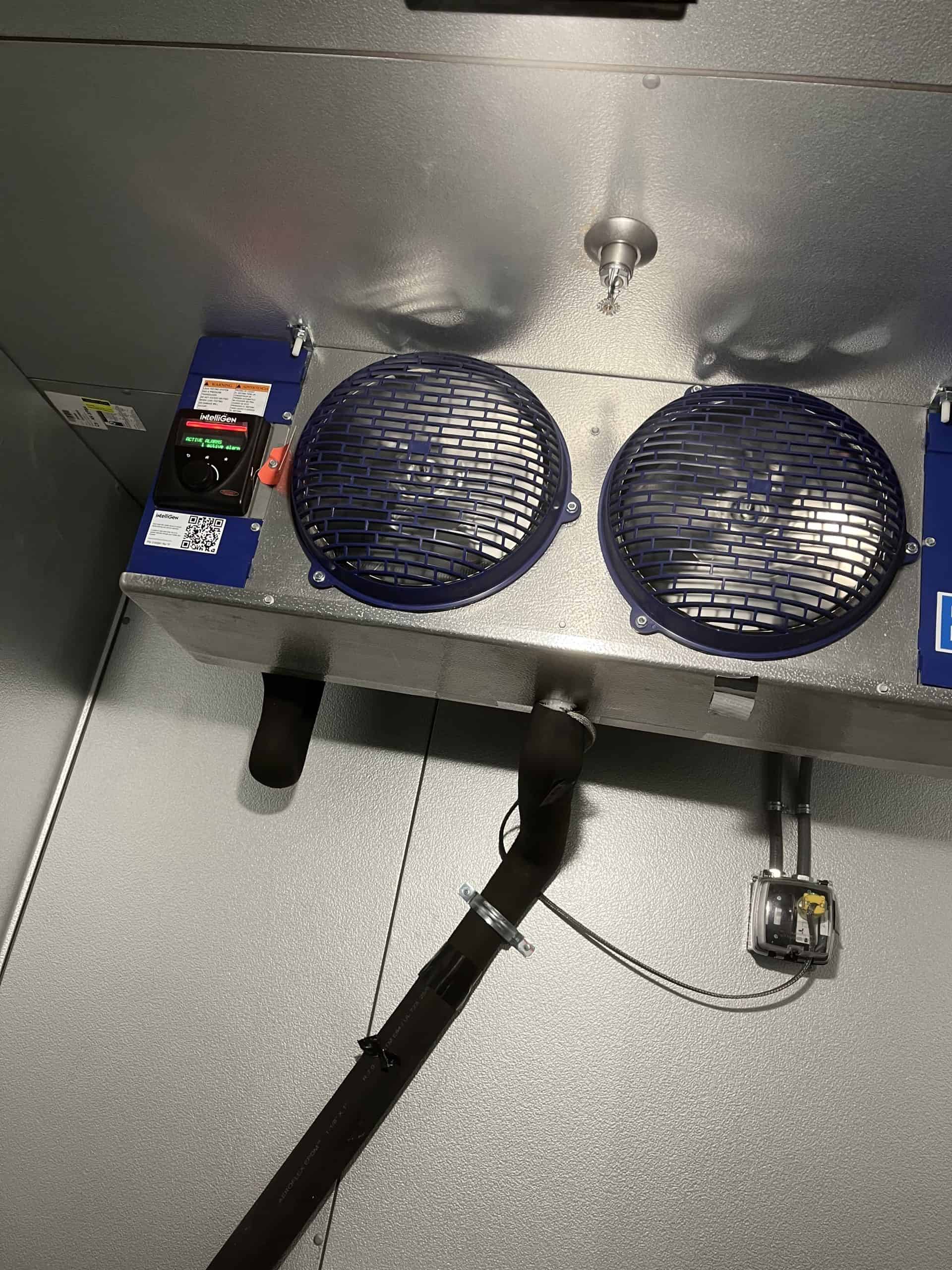
The Importance of Refrigerant Safety for HVAC Professionals and Building Managers
Refrigerants are the lifeblood of modern heating, ventilation and air conditioning (HVAC) systems. From commercial office buildings and hospitals to residential homes and data centers, refrigerants enable temperature control, humidity regulation and indoor comfort at scale. Despite their critical role, refrigerants also present significant safety, environmental and regulatory risks when mishandled. For HVAC professionals and building managers alike, prioritizing refrigerant safety is not just best practice, it is essential for protecting people, property and the planet.
Understanding Refrigerants and Their Risks
Refrigerants are chemical compounds that absorb and release heat as they circulate through HVAC systems. While many refrigerants are stable and efficient under controlled conditions, they can pose hazards if leaked, improperly stored or mishandled. The primary risks associated with refrigerants include:
- Toxicity: Some refrigerants can cause respiratory irritation, dizziness or more severe health effects when inhaled in high concentrations.
- Flammability: Newer, more environmentally friendly refrigerants (such as A2L-class refrigerants) often have mild flammability characteristics.
- Asphyxiation: Refrigerants can displace oxygen in confined spaces, creating dangerous environments for technicians and occupants.
- Environmental impact: Improper release of refrigerants contributes to ozone depletion and global warming, depending on the chemical type.
Understanding these risks is the first step toward implementing effective safety protocols.
Why Refrigerant Safety Matters
1. Protecting Human Health
HVAC professionals frequently work in environments where refrigerant exposure is possible; mechanical rooms, rooftops, confined crawlspaces and more. Without proper safety procedures, even a small leak can escalate into a serious health hazard.
Building occupants are also at risk. In commercial buildings, a refrigerant leak can affect hundreds or even thousands of people, particularly in poorly ventilated areas. Ensuring safety protocols are in place helps minimize exposure risks and protects everyone in the building.
2. Preventing Equipment Damage and Downtime
Refrigerant leaks don’t just pose health risks, they can also compromise system performance. Low refrigerant levels reduce cooling efficiency, strain compressors and can ultimately lead to system failure.
For building managers, this translates into:
- Increased maintenance costs
- Unexpected downtime
- Tenant dissatisfaction or operational disruption
Proactive safety measures, including leak detection and regular inspections, help maintain system integrity and avoid costly breakdowns.
3. Environmental Responsibility
Many legacy refrigerants, such as chlorofluorocarbons (CFCs) and hydrochlorofluorocarbons (HCFCs), have been phased out due to their ozone-depleting potential. Newer refrigerants, such as hydrofluorocarbons (HFCs) and hydrofluoroolefins (HFOs), have lower ozone impact but may still contribute to global warming.
Improper handling or accidental releases can significantly increase a building’s environmental footprint. For organizations with sustainability goals or ESG commitments, refrigerant safety is a key component of environmental stewardship.
4. Regulatory Compliance
Refrigerant handling is heavily regulated. In the United States, agencies such as the Environmental Protection Agency (EPA) enforce strict guidelines under Section 608 of the Clean Air Act.
Failure to comply can result in:
- Significant fines
- Legal liability
- Reputational damage
HVAC technicians must be certified to handle refrigerants, and building managers are responsible for ensuring that systems meet compliance standards, including proper recordkeeping and leak repair timelines.
Key Components of Refrigerant Safety
Proper Training and Certification
One of the most critical elements of refrigerant safety is ensuring that all personnel handling refrigerants are properly trained and certified, including:
- Understanding refrigerant properties and classifications
- Knowing how to safely recover, recycle, and dispose of refrigerants
- Using appropriate personal protective equipment (PPE)
- Responding effectively to leaks or emergencies
Ongoing training is equally important, especially as new refrigerants and technologies enter the market.
Leak Detection and Monitoring
Early detection of refrigerant leaks is essential for minimizing risk. Modern HVAC systems often incorporate leak detection sensors that can identify even small releases before they become dangerous.
Best practices include:
- Installing fixed leak detection systems in high-risk areas
- Conducting routine manual inspections
- Monitoring refrigerant levels and system performance
For large commercial buildings, automated monitoring systems can provide real-time alerts, enabling rapid response.
Safe Storage and Handling
Improper storage of refrigerant cylinders can lead to accidents, including ruptures or leaks. HVAC professionals should follow strict guidelines, such as:
- Storing cylinders in well-ventilated areas
- Keeping them away from heat sources and direct sunlight
- Securing cylinders to prevent tipping
- Clearly labeling contents
Transporting refrigerants also requires adherence to safety standards to prevent damage or exposure during transit.
Use of Personal Protective Equipment (PPE)
Appropriate PPE is essential when working with refrigerants. Depending on the task, this may include:
- Safety goggles or face shields
- Chemical-resistant gloves
- Respirators in confined or high-risk environments
- Protective clothing
Ensuring that PPE is readily available and properly used can significantly reduce the risk of injury.
Emergency Preparedness
Even with the best precautions, incidents can occur. Having a clear emergency response plan is critical.
This should include:
- Evacuation procedures
- First aid measures for refrigerant exposure
- Contact information for emergency services
- Training drills for HVAC staff and building personnel
Preparedness can mean the difference between a minor incident and a major crisis.
The Role of Building Managers
While HVAC technicians handle the technical aspects of refrigerant management, building managers play a crucial role in ensuring overall safety and compliance.
Responsibilities include:
- Vendor oversight: Ensuring that contractors are certified and follow safety protocols
- Maintenance planning: Scheduling regular inspections and preventive maintenance
- Documentation: Maintaining records of refrigerant usage, leaks and repairs
- Budgeting: Allocating resources for system upgrades, leak detection and training
Building managers also act as a bridge between technical teams and occupants, helping communicate safety measures and respond to concerns.
Transitioning to Safer Refrigerants
The HVAC industry is undergoing a significant transition toward lower-global-warming-potential (GWP) refrigerants. While these alternatives offer environmental benefits, they may introduce new safety considerations, such as mild flammability.
Examples of newer refrigerants include:
- R-32
- R-454B
- R-1234yf
Adopting these refrigerants requires updated training, equipment, and safety protocols. Both HVAC professionals and building managers must stay informed about evolving standards and best practices.
Technology and Innovation in Refrigerant Safety
Advancements in technology are making refrigerant management safer and more efficient than ever before. Key innovations include:
- Smart leak detection systems: Integrated with building management systems (BMS) for real-time monitoring
- IoT-enabled HVAC equipment: Providing predictive maintenance insights
- Advanced recovery machines: Improving the efficiency and safety of refrigerant handling
- Digital compliance tools: Simplifying recordkeeping and reporting
Leveraging these technologies can help organizations stay ahead of risks while improving operational efficiency.
Building a Culture of Safety
Ultimately, refrigerant safety is not just about procedures and equipment; it’s about culture. Organizations that prioritize safety at every level are better equipped to prevent incidents and respond effectively when they occur. Key elements of a strong safety culture include:
- Leadership commitment to safety standards
- Open communication about risks and best practices
- Regular training and continuous improvement
- Accountability at all levels
When safety becomes a shared responsibility, the entire organization benefits.
Conclusion
Refrigerant safety is a critical concern for both HVAC professionals and building managers. From protecting human health and preventing equipment failure to ensuring environmental responsibility and regulatory compliance, the stakes are high.
By investing in proper training, implementing robust safety protocols, and embracing new technologies, organizations can significantly reduce risks associated with refrigerants. As the industry continues to evolve, staying informed and proactive will be key to maintaining safe, efficient and sustainable HVAC operations.
In a world increasingly focused on sustainability and safety, refrigerant management is no longer a behind-the-scenes concern, it is a central component of responsible building operations. Prioritizing it today will lead to safer environments, stronger systems and a more sustainable future for all.
Ready to enhance your HVAC systems in your buildings, restaurants or establishments? Contact us today!
About Nationwide Refrigeration, Inc.
Nationwide Refrigeration, Inc. (NRI) is an employee-owned company providing expert commercial refrigeration, HVAC and ice machine services across Washington, D.C., Maryland and Virginia since 1974. Known for its commitment to doing the job right the first time and the right thing every time, NRI offers emergency service from EPA-certified technicians and supports over 160 equipment brands. In 2020, NRI became fully employee-owned, reinforcing its dedication to quality, integrity and long-term customer relationships. The company’s strong, people-first culture continues to drive its reputation for reliability and resilience. For more information, please visit nriusa.com.