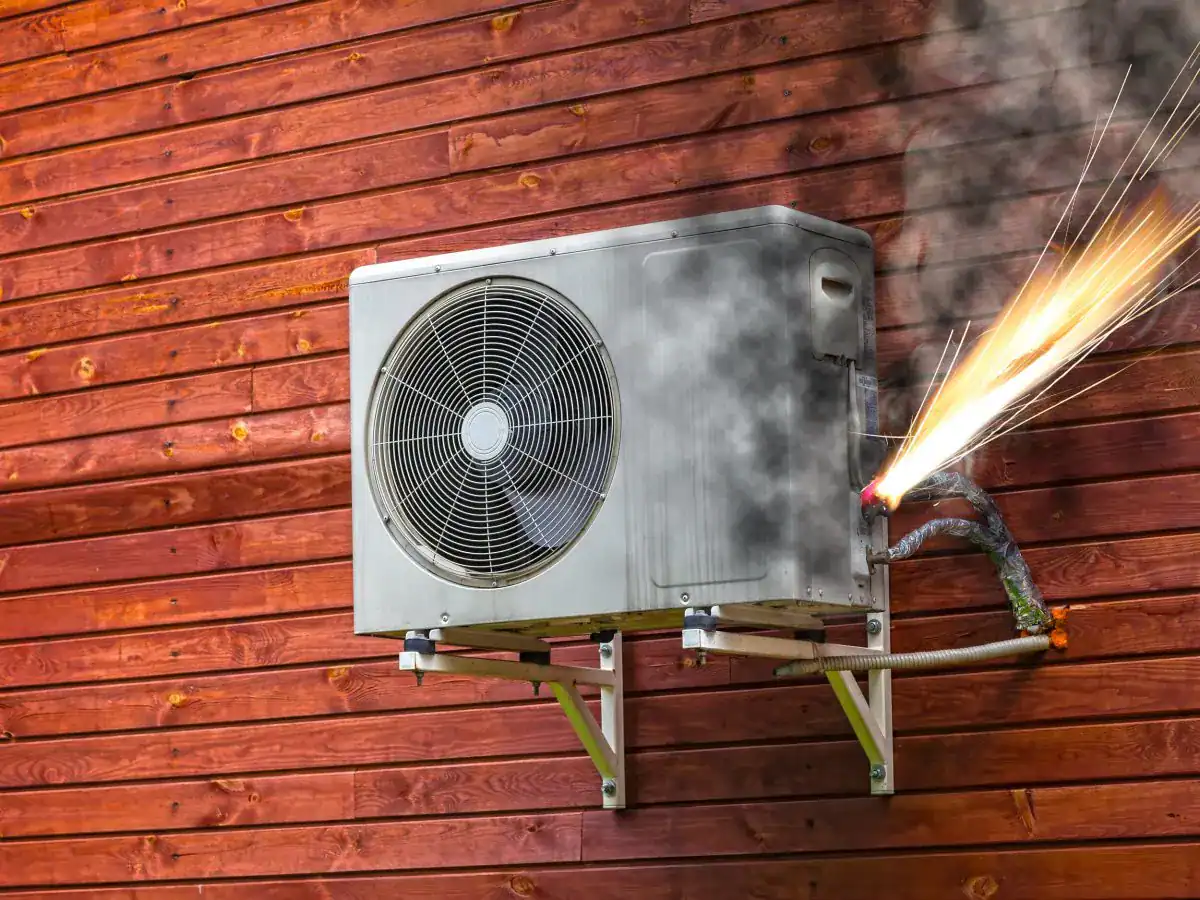
Understanding Class A, B and C Fires (and How HVAC Professionals Handle Them)
Fire safety is a critical consideration in any building, but for HVAC professionals, it’s especially complex. Heating, ventilation, and air conditioning systems can both contribute to fire risks and play a crucial role in fire prevention and containment. To manage these risks effectively, HVAC technicians must understand the different classes of fires, specifically Class A, B and C and how each type behaves.
This guide breaks down these fire classes and explains how HVAC professionals prevent, respond to and mitigate them in real-world scenarios.
What Are Fire Classes?
Fires are categorized based on the type of fuel that’s burning. This classification helps determine the safest and most effective way to extinguish the fire. In the U.S., the most common classes HVAC professionals deal with are:
- Class A: Ordinary combustibles
- Class B: Flammable liquids and gases
- Class C: Electrical fires
Each type presents unique challenges, particularly when HVAC systems are involved.
Class A Fires: Ordinary Combustibles
What They Are
Class A fires involve everyday materials such as:
- Wood
- Paper
- Cloth
- Rubber
- Some plastics
These are the most common types of fires in residential and commercial settings.
HVAC-Related Risks
HVAC systems can contribute to Class A fires in several ways:
- Dust and debris buildup in ductwork can act as fuel
- Overheated motors or components can ignite nearby materials
- Improper insulation installation near heating elements
- Poor maintenance leading to clogged filters and restricted airflow
For example, a furnace overheating due to restricted airflow can ignite nearby combustible materials like insulation or framing.
How HVAC Professionals Handle Class A Fires
1. Prevention First
HVAC technicians focus heavily on prevention:
- Regularly cleaning ducts and filters
- Ensuring proper airflow throughout the system
- Inspecting heat exchangers and furnaces for overheating risks
- Verifying safe clearances around heating equipment
Preventive maintenance is the first and most effective line of defense.
2. Fire Dampers and Smoke Control
In commercial systems, HVAC professionals install fire dampers within ductwork. These devices automatically close when high temperatures are detected, preventing fire from spreading through ventilation systems.
3. Response and Suppression
If a Class A fire occurs:
- Water-based extinguishers are typically used
- HVAC systems may be shut down to prevent oxygen from feeding the fire
- Smoke control systems may be activated to manage airflow and visibility
4. Post-Fire System Assessment
After a fire:
- Ductwork is inspected for soot and structural damage
- Filters and insulation are replaced
- Air quality testing may be conducted before system restart
Class B Fires: Flammable Liquids and Gases
What They Are
Class B fires involve flammable substances such as:
- Gasoline
- Oil
- Propane
- Natural gas
- Solvents
These fires are particularly dangerous because they can spread rapidly and may explode.
HVAC-Related Risks
HVAC systems frequently interact with flammable gases and liquids, especially in:
- Gas-powered furnaces
- Rooftop units using fuel sources
- Refrigerants (some of which are flammable in newer systems)
- Maintenance environments where solvents are used
Common causes include:
- Gas leaks from faulty connections
- Improper storage of flammable materials near HVAC equipment
- Refrigerant leaks in systems using mildly flammable compounds (like A2L refrigerants)
How HVAC Professionals Handle Class B Fires
1. Leak Detection and Prevention
Preventing Class B fires is critical:
- Regular inspection of gas lines and connections
- Use of gas leak detectors
- Ensuring proper ventilation in areas with fuel-burning equipment
- Following strict codes for refrigerant handling
2. Proper System Design
HVAC engineers design systems to minimize risk:
- Installing shutoff valves
- Using sealed combustion systems
- Designing proper exhaust and ventilation pathways
3. Fire Suppression Techniques
Unlike Class A fires, water is NOT effective for Class B fires.
Instead, HVAC professionals rely on:
- Foam extinguishers
- Dry chemical extinguishers
- Carbon dioxide (CO₂) systems
In commercial environments, specialized suppression systems may be installed in mechanical rooms.
4. Emergency Response
If a Class B fire occurs:
- The HVAC system is immediately shut down
- Fuel sources are isolated (gas shutoff valves engaged)
- The area is evacuated due to explosion risk
5. Post-Incident Protocol
After a Class B fire:
- Gas lines and components are pressure-tested
- Burned equipment is replaced
- Refrigerant systems are checked for leaks and contamination
Class C Fires: Electrical Fires
What They Are
Class C fires involve energized electrical equipment, such as:
- Wiring
- Circuit breakers
- Electrical panels
- Motors and compressors
These fires are especially dangerous because of the risk of electrical shock.
HVAC-Related Risks
HVAC systems are heavily dependent on electrical components, making Class C fires a major concern.
Common causes include:
- Faulty wiring or loose connections
- Overloaded circuits
- Short circuits in motors or compressors
- Improper installation or outdated electrical systems
For instance, an HVAC blower motor with worn insulation can spark and ignite nearby materials.
How HVAC Professionals Handle Class C Fires
1. Electrical Safety and Maintenance
Prevention includes:
- Routine inspection of wiring and connections
- Ensuring systems are properly grounded
- Verifying correct circuit sizing and breaker protection
- Replacing worn or damaged electrical components
2. Lockout/Tagout Procedures
Before working on HVAC systems, technicians follow lockout/tagout (LOTO) procedures to ensure equipment is de-energized, reducing fire and shock risk.
3. Fire Suppression
Water should NEVER be used on Class C fires while the equipment is energized.
Instead, HVAC professionals use:
- CO₂ extinguishers
- Dry chemical extinguishers
Once power is shut off, the fire may be treated as a Class A fire if combustible materials are involved.
4. System Shutdown and Isolation
In the event of an electrical fire:
- Power is disconnected at the breaker or main panel
- HVAC units are isolated to prevent further electrical flow
- Backup systems may be engaged if available
5. Post-Fire Inspection
After a Class C fire:
- All electrical components are thoroughly inspected or replaced
- Wiring is tested for integrity
- Control boards and sensors are evaluated
- The entire system may require re-certification before being put back into service
The Role of HVAC Systems in Fire Spread and Control
Beyond being a potential source of fire, HVAC systems can significantly influence how a fire behaves within a building.
1. Airflow Can Spread Fire and Smoke
Duct systems can act like highways for smoke and heat. Without proper safeguards:
- Fires can spread rapidly between rooms
- Smoke can reduce visibility and increase inhalation risk
2. Fire Dampers and Smoke Dampers
HVAC professionals install:
- Fire dampers: Close when heat is detected
- Smoke dampers: Control smoke movement
These systems are critical in commercial buildings for compartmentalizing fires.
3. Pressurization Systems
In large buildings, HVAC systems may be used to:
- Pressurize stairwells
- Keep escape routes clear of smoke
- Assist in safe evacuation
Training and Compliance
HVAC professionals must adhere to strict safety standards and codes, including:
- National Fire Protection Association (NFPA) guidelines
- Local building and fire codes
- OSHA safety regulations
Ongoing training ensures technicians understand:
- Fire classifications
- Proper extinguisher use
- Emergency response protocols
Key Takeaways
Understanding Class A, B and C fires is essential for HVAC professionals because their systems interact with all three:
- Class A fires involve common materials and are often tied to overheating or poor maintenance
- Class B fires involve flammable gases and liquids, requiring strict leak prevention and specialized extinguishing methods
- Class C fires stem from electrical systems and demand careful handling to avoid shock hazards
Across all three types, HVAC professionals play a dual role:
- Preventing fires through design, installation, and maintenance
- Mitigating fires by controlling airflow, shutting down systems and supporting suppression efforts
Final Thoughts
Fire safety in HVAC isn’t just about reacting when something goes wrong, it’s about designing systems that minimize risk from the start. By understanding how different fire classes behave and how HVAC systems interact with them, professionals can protect not only equipment but also lives and property.
Whether it’s ensuring clean ductwork, detecting gas leaks, or maintaining electrical integrity, every step an HVAC technician takes contributes to a safer built environment.
Contact the professionals at NRI for all your commercial HVAC needs or, if you’d like to join an employee-owned company and work for one of the best in the business, click HERE.
About Nationwide Refrigeration, Inc.
Nationwide Refrigeration, Inc. (NRI) is an employee-owned company providing expert commercial refrigeration, HVAC and ice machine services across Washington, D.C., Maryland and Virginia since 1974. Known for its commitment to doing the job right the first time and the right thing every time, NRI offers emergency service from EPA-certified technicians and supports over 160 equipment brands. In 2020, NRI became fully employee-owned, reinforcing its dedication to quality, integrity and long-term customer relationships. The company’s strong, people-first culture continues to drive its reputation for reliability and resilience. For more information, please visit nriusa.com.